Where Did My Garden Money Go? One Backyard Grower's $1,200 Wake-Up Call
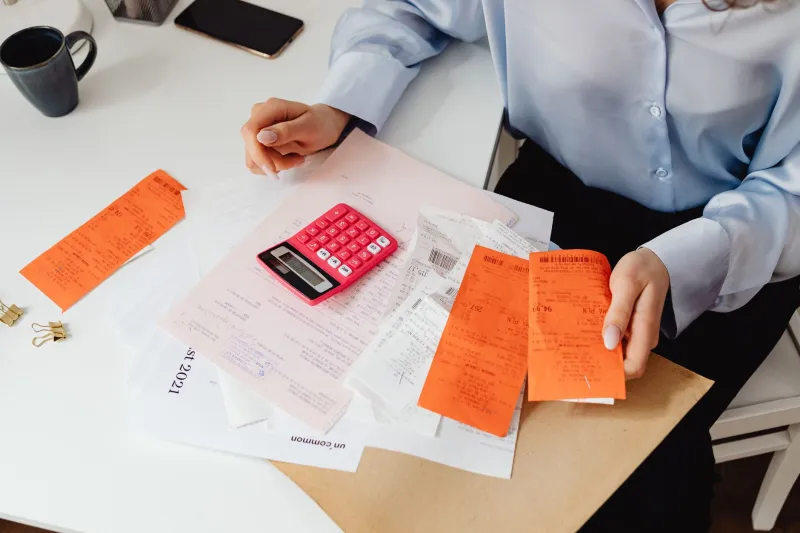
Most of us don't think of gardening as an expensive hobby. It's dirt and seeds, right? Sunshine is free. But ask any honest home grower to open their receipts from a full season, and the story gets a lot more complicated. One gardener in suburban Ohio did exactly that — pulled every receipt, scrolled back through every credit card charge, dug through every paper bag stuffed under the potting bench — and landed on a number that genuinely shocked her: $1,247 in a single growing season.
The garden? A modest 400-square-foot backyard plot, a few containers on the patio, and a small raised bed for herbs. Nothing fancy. Nothing that should cost over a thousand dollars.
So where did the money actually go? We broke it down category by category, and the results were equal parts eye-opening and, honestly, a little funny. Because almost none of the waste was intentional. It was the slow drip of small decisions that added up to a very big number.
The Breakdown: Where the $1,200 Went
Impulse plants at the nursery: $312
This was the biggest single category, and it probably won't surprise you. A trip to the garden center for a flat of tomato starts turns into a cart full of ornamental grasses, three varieties of basil, a Japanese maple "because it was on sale," and a tray of annuals that didn't survive past July. Sound familiar?
The problem with nursery impulse buys isn't just the upfront cost — it's that plants bought without a plan often go into the wrong spot, get neglected, or simply don't thrive. That $28 Japanese maple that seemed like a steal? It's now a $28 stick.
Duplicate and redundant tools: $189
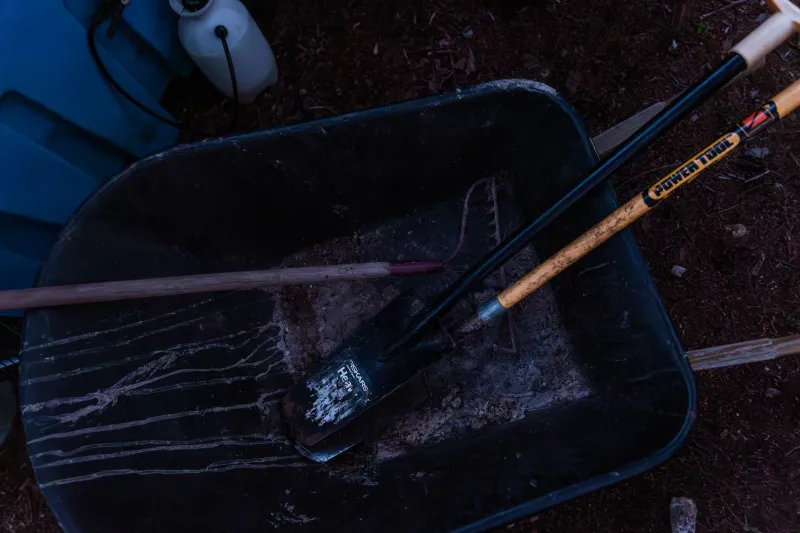
When she actually laid everything out on the driveway, she counted four trowels. Four. Two pairs of pruning shears (one still in the packaging). Three cultivators in slightly different sizes. A second hose nozzle purchased because the first one "disappeared" — it was under the porch steps.
Duplicate tools happen when we buy in a moment of frustration rather than taking ten minutes to actually look for what we already own. The fix is almost embarrassingly simple, but we'll get to that.
Soil amendments and fertilizers she didn't need: $178
This one stings a little more, because it came from a place of good intentions. She bought a bag of bone meal, a jug of liquid kelp, two kinds of granular fertilizer, and a pH amendment kit — none of which were based on an actual soil test. Just vibes. Just the anxiety of wanting the garden to do well.
Without knowing what your soil actually needs, you're essentially guessing. And guessing with garden products is an expensive hobby in itself.
Seeds she didn't use: $94
An entire shoebox of seed packets, many of them opened and resealed with a rubber band, others still factory-sealed. Some were duplicates of things she'd already bought the year before and forgotten about. A few had expired. The kicker: she bought more seeds this spring because she couldn't find the ones she already had.
Plants that died from preventable causes: $211
This category required some honest self-reflection. Seedlings that got planted out too early and got hit by a late frost. A rosemary that drowned in a container with no drainage hole. Strawberry starts that never got watered consistently enough to establish. These weren't bad luck — they were knowledge gaps and time crunches, but the dollar amount is the same either way.
Miscellaneous and forgotten purchases: $263
This is the catch-all category, and it's always bigger than people expect. A garden kneeler pad she used twice. Specialty plant labels that were a "great deal" at $3 for 50. A seed-starting heat mat that got used for two weeks and then stored in a way that cracked the element. Decorative stepping stones. A "self-watering" planter that worked for about one season.
The Audit Framework: How to Run This on Your Own Garden
You don't need a spreadsheet obsession or an accounting degree. You need about two hours and a willingness to be honest with yourself. Here's the process:
Step 1: Gather everything
Pull your credit card statements from March through October (adjust for your climate). Check Amazon order history. Look for paper receipts. Don't forget cash purchases at farmers markets or roadside stands. Write down every garden-related transaction you can find.
Step 2: Categorize ruthlessly
Create buckets: plants, seeds, tools, soil/amendments, containers, infrastructure (trellises, raised bed lumber, irrigation), and miscellaneous. Don't let yourself lump things together to soften the blow.
Step 3: Inventory what you actually own
This is the part most people skip, and it's the most valuable step. Walk through your shed, garage, and storage areas. Make a list of every tool, every bag of amendment, every unopened product. You will find duplicates. You will find things you forgot you owned.
Step 4: Match spending to outcomes
For every major purchase, ask: Did this work? Did I actually use it? Did it contribute to food on the table or joy in the garden? Be honest. A $45 specialty pruner that you use every single week is a great investment. A $45 specialty pruner you've touched twice is an expensive decoration.
Step 5: Identify your personal waste patterns
Most gardeners have one or two categories where they consistently overspend. Impulse plants. Duplicate tools. Soil products bought on anxiety rather than data. Once you know your pattern, you can build a specific guardrail against it.
Recovery Strategies for the Most Common Waste Categories
For impulse plant purchases: Implement a 48-hour rule for any unplanned plant buy over $15. Take a photo, go home, look up whether it actually fits your space and zone. If you still want it two days later, go back.
For duplicate tools: Do the driveway inventory before the season starts. If you find multiples, sell or donate the extras. Keep a running list on your phone of what you own so you don't re-buy.
For unnecessary soil amendments: Get a basic soil test before you buy a single bag of anything. Your local cooperative extension office often offers them for under $20, and some are free. The results tell you exactly what your soil needs — and just as importantly, what it doesn't.
For unused seeds: Build a seed inventory system before ordering anything new. A simple divided box with index cards works great. Only buy what you don't already have.
For preventable plant losses: Invest time (not money) in learning your last frost date, your soil drainage situation, and the specific needs of whatever you're growing. Most preventable losses come from skipping these basics.
The Flip Side: What the $1,200 Actually Taught Her
Here's the thing — running this audit didn't make her want to quit gardening. It made her want to garden smarter. She estimated that with the information from this one exercise, she could realistically cut her spending by 40 to 50 percent next season without growing any less food or enjoying the garden any less.
That's $500 to $600 back in her pocket. Enough to fund two full seasons of a leaner, better-planned garden — or just, you know, pay for something else entirely.
The garden doesn't have to be a money pit. But it will be one if you never look at the receipts.
Run your audit this fall while the season is still fresh. Your future self — and your bank account — will thank you.