Your Grocery Bag Is a Free Seed Catalog: Regrowing Food From Kitchen Scraps
Most of us throw away a small fortune every week without realizing it. Those green onion roots you just trimmed? Free plants. The bottom of that celery bunch? Free plant. The sprouting garlic clove sitting in the back of your pantry? Definitely a free plant. Your grocery store trips have been funding a garden this whole time — you just haven't been collecting the dividends.
Regrowing food scraps isn't some internet novelty trick. Done right, it's a legitimate way to stock a kitchen garden for nearly nothing, and it works whether you've got a big backyard plot or just a sunny windowsill. Let's break down what's actually worth saving, how to get it started, and how to move it from a glass of water on your counter into a real, producing garden bed.
Why Scraps Beat Seed Packets for Certain Crops
Seed packets are great — we love a good bulk seed deal as much as anyone — but some vegetables are genuinely faster, easier, and cheaper to start from scraps than from seed. Green onions, for instance, can go from root to harvestable in under two weeks. Celery takes months from seed but rebounds quickly from a stump. Garlic grown from a clove you already bought at the store skips the germination guessing game entirely.
For budget-conscious gardeners, scraps also eliminate the risk of a failed germination. You're not gambling a packet of seeds on the right soil temperature or moisture level. You're working with plant material that's already alive and ready to grow.
The Scraps Actually Worth Saving
Not everything in your produce drawer is a regrowth winner. Here's what consistently delivers results:
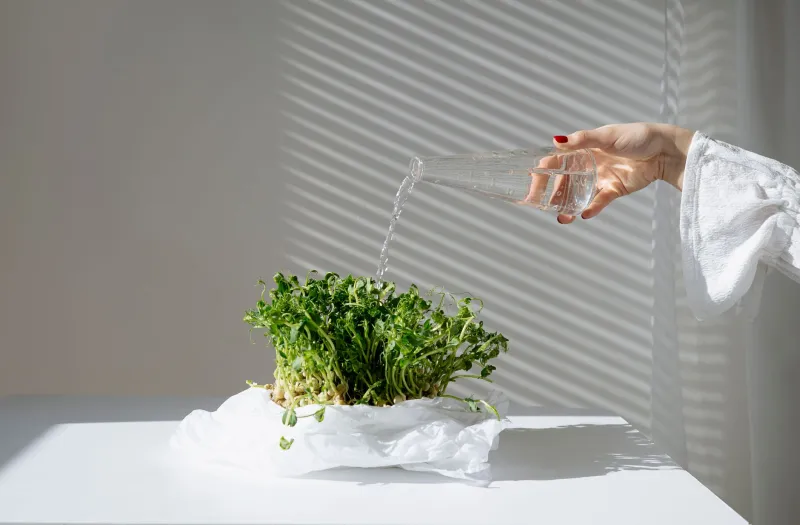
Green Onions (Scallions) This is the easiest win in the scrap garden world. When you buy a bunch of green onions, cut them down to about an inch above the white root end instead of throwing the roots away. Drop them root-side down in a small glass with about an inch of water. Set them in a sunny window. Within days, you'll see new green growth shooting up. Change the water every couple of days to keep things fresh, and you can harvest from the same roots multiple times before they start to fade.
Celery Cut the stalks away from the base, leaving a stump about two inches tall. Place it cut-side up in a shallow dish with just enough water to cover the bottom of the stump — you don't want it fully submerged. Within a week, you'll see small leaves emerging from the center. It won't regrow into a full head of grocery-store celery, but it'll produce enough leafy stalks to keep you in celery flavor for soups, stocks, and salads all season.
Garlic If a clove has already started sprouting a green shoot, don't throw it out — plant it. Push it into a small pot of soil, pointed end up, about an inch deep. That shoot will grow into garlic greens you can snip like chives, adding a mild garlic flavor to dishes. If you plant it outside in fall, you can actually harvest a full new bulb the following summer. Either way, a clove you already paid for becomes a plant that keeps producing.
Romaine Lettuce and Cabbage Save the bottom inch or two of a romaine heart or a cabbage head. Place it cut-side up in a shallow dish of water, just like celery. New leaves will start growing from the center within a week. It won't bulk back up into a full head, but the new growth is tender and great for salads. Swap the water every day or two to prevent any funky smells.
Herbs: Basil and Mint If you buy fresh-cut basil or mint from the grocery store, snip a few stems just below a leaf node and drop them in a glass of water. Both root quickly — often within a week or two — and once you see a solid root system developing, they're ready to pot up or plant outside. One $2.99 bunch of grocery store basil can turn into half a dozen plants if you root the stems instead of tossing them.
Ginger and Turmeric Those knobby roots from the produce section can be planted directly into potting mix. Look for a piece with a visible bud or eye — it looks like a small nub on the surface. Plant it about an inch deep in a pot or garden bed, keep it warm and moist, and it'll sprout. Both are slow growers but incredibly rewarding, and grocery store roots work just as well as anything you'd order from a catalog.
Moving From Water to Soil
Here's where a lot of people stall out. They get excited about their little water-glass garden on the windowsill, but they never take the next step of getting the plants into actual soil — which is where real, sustained growth happens.
For water-rooted scraps like green onions, basil, and mint, wait until you see roots that are at least an inch long and look healthy and white (not brown or mushy). Then transplant them into a small pot with basic potting mix, or directly into a garden bed if the weather allows. Water them in gently and keep the soil consistently moist for the first week while they adjust.
For celery and lettuce stumps, once you see strong new leaf growth from the center, you can bury the stump in a pot of soil with just the new growth above the surface. The plant will shift from drawing nutrients from its stored reserves to actually feeding through its roots, and you'll get a longer, more productive run from it.
Garlic and ginger go straight into soil from the start — no water stage needed.
Setting Up a Scrap-Growing Station
If you want to make this a regular habit rather than a one-time experiment, keep a small dedicated spot near your kitchen sink. A few small glasses or jars, a grow light if your windows are weak, and a bag of basic potting mix are all you need. Every time you prep produce, pause for ten seconds and ask yourself whether the root end or stump is worth saving. Most of the time, the answer is yes.
Over the course of a season, those ten-second pauses add up to a garden full of free plants — green onions, herbs, lettuce, and more — that didn't cost you a single extra trip to the nursery or a dime beyond what you already spent on groceries.
The Honest Limits of Scrap Gardening
Let's be real: scrap regrowing isn't going to replace your entire garden. Tomatoes, peppers, squash, and most root vegetables need to be grown from seed or transplants. And even the best scrap-grown celery won't bulk up the way a grocery store head does. The goal isn't to grow everything from scraps — it's to eliminate the cost of the crops where scraps genuinely work, so your actual gardening budget can go further on the things that do need a little investment.
Think of it as free square footage in your garden. Every pot of scrap-grown green onions or herbs is a spot you didn't have to spend money to fill. At GardenSave, that's exactly the kind of math we're here for.