Shed Confessions: The Brutal Truth About What Gardeners Actually Use (And How to Stop Throwing Money at Stuff You Don't)
The Shed Walk of Shame
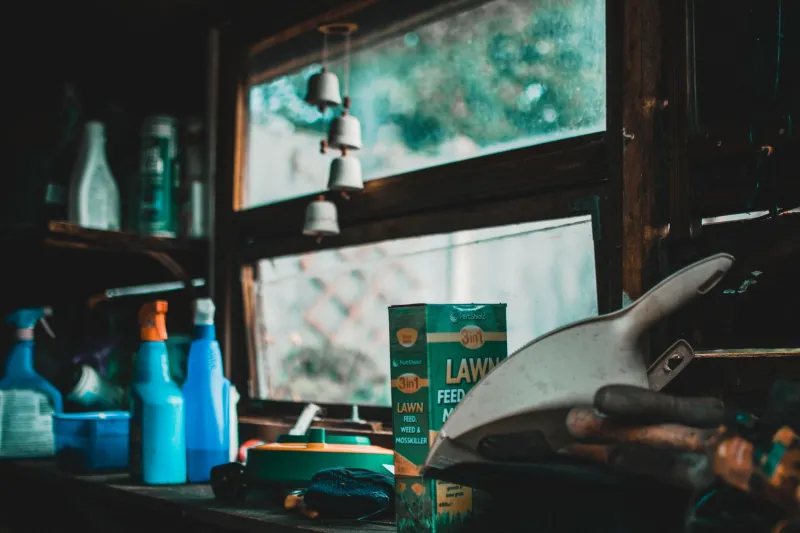
Go ahead. Open that shed door. Take a long, honest look.
There's probably a soil blocker you used twice. A set of copper plant markers still in the packaging. Maybe a broadfork that felt like a revelation at the garden show and has since become a very expensive coat hook. You're not alone — not even close. A casual survey of home gardeners across the US reveals a near-universal truth: most of us use about 20% of our gear to do 80% of our actual gardening.
The rest? It's a graveyard of good intentions, impulse buys, and the optimistic version of ourselves we imagined when we clicked "add to cart."
At GardenSave, we're all about helping you stretch every dollar in the backyard. And sometimes that means having a frank conversation about the money you've already spent — and how to stop the bleeding.
Why Gardeners Are Especially Prone to Over-Buying
Gardening has a sneaky way of making purchases feel virtuous. You're not splurging on something frivolous — you're investing in your food supply. You're preparing for next season. You're being responsible.
This mindset makes it dangerously easy to rationalize gear you don't need. Add in the seasonal nature of the hobby (you only garden a few months a year, so it's easy to forget what you actually reached for last summer) and you've got a perfect recipe for accumulation.
There's also the "just in case" trap. Just in case you decide to expand the raised beds. Just in case the aphids come back. Just in case you finally try starting everything from seed this year. These purchases live in a perpetual future tense — always about to be useful, never quite getting there.
The 90-Day Rule: A Simple Audit That Cuts Through the Clutter
Here's the framework. It's not complicated, but it requires a little honesty.
Grab a notebook or open your phone's notes app. Walk through your storage space — shed, garage corner, basement shelves, wherever your garden stuff lives — and sort everything into three buckets:
Used in the last 90 days of active gardening season: These items stay. They're working for you.
Not used last season, but genuinely seasonal: Think frost cloth, row cover, or a specific pruning tool for a plant that only needs attention once a year. Give these a pass — but be strict about what actually qualifies.
Not used last season, no clear plan for this season: This is your dead weight. Every item in this pile represents real money that could be doing something better.
Be ruthless with that third category. "I might use it" doesn't count. "I used it once two years ago" doesn't count. If you can't point to a specific, scheduled task it will perform in the next growing season, it belongs in the pile.
What Real Gardeners Are Actually Reaching For
Talk to experienced home growers long enough and a pattern emerges. The tools that get used most are almost always the simplest ones: a good trowel, a sturdy hoe or cultivator, a reliable pair of pruners, a watering can or hose with an adjustable nozzle, and some form of kneeling pad or garden stool.
The stuff that tends to gather dust? Specialty gadgets with a narrow use case. Multi-piece seed-starting kits that seemed genius in February but were annoying to assemble. Elaborate trellis systems that were harder to set up than advertised. "Ergonomic" tools that turned out to be ergonomic for someone else's hands.
None of this means those products are bad — it means they weren't the right fit. And the sooner you identify that mismatch, the sooner you stop spending money on more of the same.
Turning Your Dead Weight Into Actual Cash
Here's the part most gardening content skips: you can recoup some of what you spent.
Facebook Marketplace and Nextdoor are goldmines for selling used garden gear. Local buyers prefer to pick up heavy or bulky items anyway, so you avoid the hassle of shipping. Price things at roughly 30–50% of what you paid, take decent photos in natural light, and you'll be surprised how fast a good broadfork or a set of raised bed hardware moves.
Local plant swaps and garden club sales often welcome tool donations or trades. You might not get cash, but you could walk away with seeds, starts, or supplies you'll actually use.
Garage sales in spring are perfectly timed — people are thinking about their gardens and actively looking for deals. Bundle smaller items together to make them more attractive.
If something is too worn to sell, don't let guilt make you keep it. Donate it to a community garden, a school garden program, or a local tool library. At least it'll get used.
Rightsizing Your Kit Going Forward
Once you've cleared the clutter and maybe made a few bucks back, you're in a position to shop smarter. Here's how to break the cycle:
Buy for the garden you have, not the garden you imagine. It's tempting to gear up for a massive expansion that may or may not happen. Resist. If you add the raised bed, buy the supplies then.
Wait 48 hours before any non-consumable purchase. Impulse buys are the main culprit here. A two-day cooling-off period kills a surprising number of unnecessary transactions.
Borrow before you buy. Tool libraries exist in many US cities and towns. Neighbors and fellow gardeners are often happy to lend something you'll only use once. Try before you commit.
Buy quality on the things you use constantly, go budget on everything else. A cheap trowel that breaks in a season is a waste. A cheap specialty gadget you use twice a year? Fine. Match your spending to your actual usage frequency.
Keep a running "use log" next season. It sounds fussy, but even a quick note on your phone when you reach for a tool builds a real picture of what earns its place in your shed.
The Real ROI of a Leaner Toolkit
There's a counterintuitive truth at the heart of all this: gardeners with fewer, better-chosen tools tend to get more done and spend less over time. They know where everything is. They reach for the right thing without digging through a pile of half-remembered purchases. They're not re-buying things they already own because they can't find them under the clutter.
A streamlined shed isn't about minimalism for its own sake — it's about making every dollar you spend on your garden actually work. That's the whole point of gardening smart. Grow more, spend less, and stop paying storage rent on stuff that's never going to pull its weight.
Your garden budget will thank you. So will your Saturday mornings.