One Seed Packet, All Season Long: The Beginner-Friendly Guide to Succession Planting
Here's a scenario that probably sounds familiar: you tear open a shiny new packet of lettuce seeds in April, dump most of them into the ground at once, enjoy a glorious two-week salad window in June — and then watch the whole planting bolt into bitter, inedible stalks while the rest of summer stretches out empty in front of you.
Then you drive back to the garden center and buy more seeds.
That's the cycle succession planting breaks. The idea is simple: instead of sowing everything at once, you divide your seeds into smaller batches and plant them at regular intervals throughout the season. The payoff is a continuous, rolling harvest that keeps producing long after your neighbors' gardens have peaked and crashed. And the best part? You're doing it all from seeds you already bought.
Why Most Gardeners Accidentally Waste Their Seed Packets
Seed packets are sized generously on purpose. A standard packet of bush beans might contain 50 to 100 seeds — way more than most backyard plots need at one time. When you plant all of them at once, you get a huge flush of beans that arrives faster than any family can eat them, followed by a long stretch of nothing.
Succession planting treats that packet like a savings account instead of a one-time splurge. You make smaller, strategic deposits over time and collect steady dividends all season. It costs nothing extra — you're just changing when you plant, not how much you spend.
The Basic Math: Calculating Your Planting Intervals
The key number you need is the "days to maturity" listed on your seed packet. That figure tells you how long it takes from planting to harvest, and it becomes the foundation of your succession schedule.
Here's a simple rule of thumb: divide your planting interval to about one-third of the days-to-maturity figure. So if your lettuce takes 45 days to mature, plan a new sowing every 14 to 15 days. That way, by the time your first batch is ready to harvest, the second batch is well underway, and the third is just germinating.
For quick crops like radishes (25–30 days), you can sow every 7 to 10 days and keep going practically all season. For slower crops like carrots (70–80 days), a new sowing every 3 to 4 weeks makes more sense.
Write this out before the season starts. Grab a calendar, mark your last frost date, jot down your first expected sowing date, and then count forward. It takes maybe 20 minutes and saves you from making impulsive seed-buying runs all summer.
Crops That Respond Best to Succession Planting
Not every vegetable is a great candidate. Succession planting shines brightest with crops that have a relatively short harvest window or a tendency to bolt in heat. Here are the big winners:
Lettuce and salad greens — These are the poster children for succession planting. Lettuce bolts fast once summer heat kicks in, so staggering plantings every two weeks lets you always have young, tender leaves coming in while older plants are winding down. Start indoors in late winter, transition to direct sowing after your last frost, and keep going into early fall with cool-season varieties.
Bush beans — A single 50-seed packet planted in four batches, spaced two to three weeks apart starting after your last frost, can carry you from late June all the way through September. Bush beans also tend to produce in one big flush and then slow down, making them ideal for this approach.
Radishes — Fast, cheap, and nearly foolproof. Tuck a short row into any open garden bed every week or so and you'll have a steady supply without ever running out of seeds from one packet.
Carrots — These take longer but are worth the patience. Sow every three to four weeks from early spring through midsummer for a harvest window that extends into fall, when carrots actually taste sweeter after a light frost.
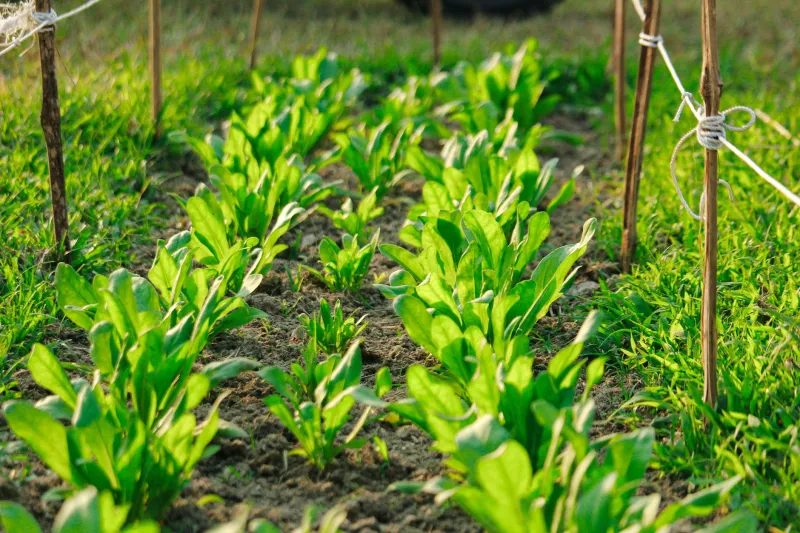
Spinach — Similar to lettuce, spinach bolts in heat. Succession plant heavily in spring, skip the hottest weeks of summer, then start again in late August for a fall run.
Cilantro — If you've ever watched your entire cilantro planting bolt in two weeks flat and wondered what went wrong, succession planting is your answer. Sow small amounts every 10 days and you'll always have fresh leaves instead of a yard full of flower stalks.
A Simple Succession Schedule You Can Steal
Let's say your last frost date is around May 1 — roughly the average for a lot of the central and northern US. Here's how a basic succession plan might look for lettuce and beans:
Lettuce:
- Sowing 1: April 5 (indoors or under a row cover)
- Sowing 2: April 20
- Sowing 3: May 5 (direct sow outdoors)
- Sowing 4: May 20
- Sowing 5: August 20 (fall crop — use bolt-resistant varieties)
- Sowing 6: September 5
Bush Beans:
- Sowing 1: May 10 (after last frost)
- Sowing 2: May 28
- Sowing 3: June 15
- Sowing 4: July 3
This kind of planning costs you nothing but a few minutes of forethought. The seeds are already in your packet.
Making Space Work in a Small Garden
One common worry: if you're planting continuously, where does everything go? The trick is to think in small batches and rotate through your beds. When your first lettuce planting bolts, yank it out and that's now prime real estate for your next sowing or a companion crop.
A 4x4 raised bed can easily support a rolling lettuce succession if you're only sowing a 1-foot row at a time. Keep a garden notebook (even a cheap spiral-bound one from the dollar store works great) to track what's planted where so you're not guessing.
Don't Forget the Fall Window
A lot of gardeners stop succession planting in midsummer and miss the second big opportunity: the fall crop. Many cool-season vegetables — lettuce, spinach, kale, carrots, beets — actually prefer the milder temperatures of late summer and early fall.
Count backward from your first expected fall frost. If frost typically hits your area around October 15, and your lettuce takes 45 days, you need to be sowing by September 1 at the latest. Plan for this in advance and you'll extend your harvest season by six to eight weeks without spending a single extra dollar.
The Bottom Line
Succession planting is one of the highest-return habits a backyard gardener can build — and it costs exactly nothing to implement. You're not buying more seeds, not investing in new equipment, and not spending extra weekends at the garden center. You're just being smarter with what you already have.
One packet. One season. Continuous harvests. That's the kind of math that makes gardening on a budget genuinely rewarding.