Grow It Once, Save Forever: The Budget Gardener's Case for Heirloom Varieties
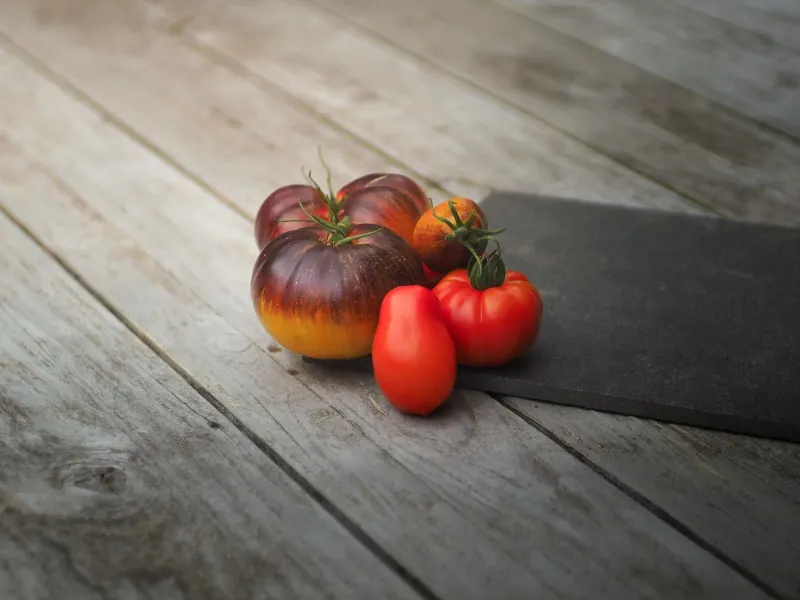
Here's a question worth sitting with for a minute: what if the most expensive seeds you buy this spring are also the last ones you ever pay for? That's not a fantasy — it's exactly what happens when you make the shift to heirloom and open-pollinated varieties. For the budget-conscious backyard gardener, this isn't just a feel-good heritage story. It's straight-up financial strategy.
Let's break down why heirlooms are one of the smartest money moves you can make in the garden, which varieties are worth the upfront investment depending on where you live, and how to build a self-sustaining seed cycle that practically pays for itself within a season or two.
The Real Cost Difference: Hybrids vs. Heirlooms Over Time
At first glance, hybrid seeds often look like the better deal. You can snag a packet of hybrid tomato seeds for $3–$5 at the big-box store, and they're engineered for disease resistance and big yields. Sounds great, right?
Here's the catch: hybrid seeds are a one-and-done purchase. Save the seeds from a hybrid tomato, plant them next year, and you'll get wildly unpredictable results — or nothing at all. The parent traits don't reliably pass down. So you're back at the store every single spring, forking over cash for the same packet, year after year.
Heirloom and open-pollinated seeds work differently. These are varieties that have been grown and selected for generations, bred to produce offspring that look and perform like the parent plant. Save the seeds properly, and you've essentially got a free supply for next season. And the season after that. And the one after that.
Run the numbers over five years on a variety like Brandywine tomatoes or Dragon Tongue beans, and the savings add up fast. A $4 packet of heirloom seeds, saved and replanted annually, costs you less than $1 per year averaged out. A hybrid packet you rebuy every spring costs you $15–$25 over the same period — for the exact same crop.
What Makes a Variety Worth the Investment
Not every heirloom is created equal for every garden. Before you go loading up your cart, think through a few key questions:
Does it thrive in your growing zone? A variety beloved by gardeners in coastal California might struggle in the heat and humidity of central Georgia. Always check where a variety was historically grown — that regional heritage tells you a lot about where it'll perform best.
Does your family actually eat it? Sounds obvious, but it's easy to get swept up in beautiful seed catalog photos of purple peppers and striped eggplants. Focus your seed-saving energy on crops your household genuinely uses. The savings only materialize if you're actually growing to harvest.
Is it a high-cost crop at the store? Prioritize heirlooms for vegetables that are pricey or hard to find fresh locally — specialty tomatoes, unusual greens, dry beans, and fresh herbs. You'll feel the financial difference most sharply there.
Regional Heirlooms Worth Growing Across the US
One of the coolest things about heirloom varieties is how deeply regional they are. Here's a quick guide to some standout open-pollinated picks by growing region:
Northeast & Mid-Atlantic (Zones 5–6) Look for Mortgage Lifter tomatoes — a legendary large-fruited variety that thrives in cooler summers and was literally named for helping a farmer pay off his debt. Vermont Cranberry beans are another gem: prolific, flavorful, and incredibly easy to dry and save.
Southeast & Gulf Coast (Zones 7–9) The South has a rich heirloom culture. Rattlesnake Pole Beans have been grown in Southern gardens for over a century and handle heat and humidity like champions. Creole tomatoes are a New Orleans staple with intense flavor, and Whippoorwill cowpeas are a drought-tolerant Southern classic worth reviving.
Midwest & Great Plains (Zones 5–7) Bloody Butcher corn is a striking deep-red heirloom that does beautifully in heartland gardens and doubles as a dried corn for grinding. Henderson Bush Lima Beans are compact, productive, and have been a Midwest garden staple for over 100 years.
Southwest & Mountain West (Zones 6–9) Arid-climate gardeners should seek out Hopi Blue corn, a drought-adapted variety with centuries of cultivation history in the desert Southwest. Mortgage Lifter peppers and New Mexico Hatch-style chiles are also excellent open-pollinated options for hot, dry summers.
Pacific Northwest (Zones 7–9) Cooler, wetter summers make this region ideal for Stupice tomatoes — a Czech heirloom that sets fruit even in low-heat conditions. Scarlet Runner Beans are another Pacific Northwest favorite: ornamental, edible, and ridiculously easy to save seed from.
Building Your Self-Sustaining Seed Cycle
Once you've chosen your varieties, the savings machine starts with proper seed saving. Here's the basic rhythm:
-
Grow and select the best plants. Don't save seeds from your first or weakest producers. Let your strongest, healthiest plants go to full seed maturity before harvesting.
-
Dry thoroughly before storing. Moisture is the enemy of seed viability. Spread seeds on a paper towel or screen in a warm, dry spot for at least two weeks before packaging.
-
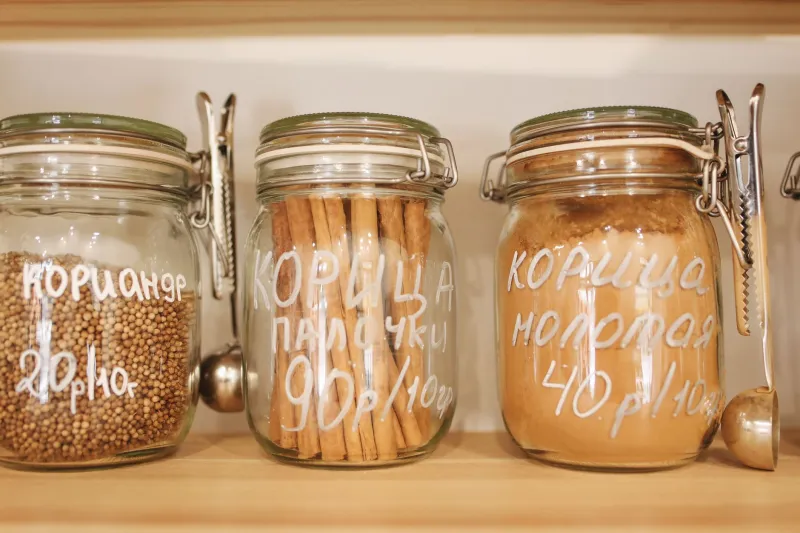
Label everything. Variety name, year harvested, and any notes about performance. Future-you will be grateful.
-
Store cool and dark. A sealed glass jar in a cool closet or the back of your refrigerator keeps most heirloom seeds viable for three to five years — giving you a built-in backup if a season goes sideways.
After your first full cycle of growing and saving, you'll have more seeds than you can plant. That's when it gets really fun — you can trade with neighbors, share at local seed swaps, or pass them along to a community garden. That social currency is its own kind of return on investment.
The Upfront Investment Is Real — Here's How to Manage It
Switching an entire garden to heirlooms all at once can feel like a big spend. A smarter approach: convert one or two crops per season. Start with your highest-use vegetables — the ones you buy most at the store or spend the most on seeds annually. Get comfortable with saving those seeds before expanding your heirloom lineup.
Shopping smart matters too. Buying heirloom seeds in bulk or through seed-saving cooperatives dramatically lowers the per-seed cost. And if you have gardening friends nearby, splitting a larger packet of seeds is a classic budget move that cuts your initial outlay in half.
The bottom line? Heirloom varieties are one of those rare garden investments where the more seasons pass, the better the deal gets. You're not just buying seeds — you're buying out of the annual seed-purchase cycle for good. For a backyard gardener watching their dollars, that kind of compounding value is hard to beat.