Squeeze More Out of Every Square Foot: Space-Saving Garden Tricks That Cost Almost Nothing
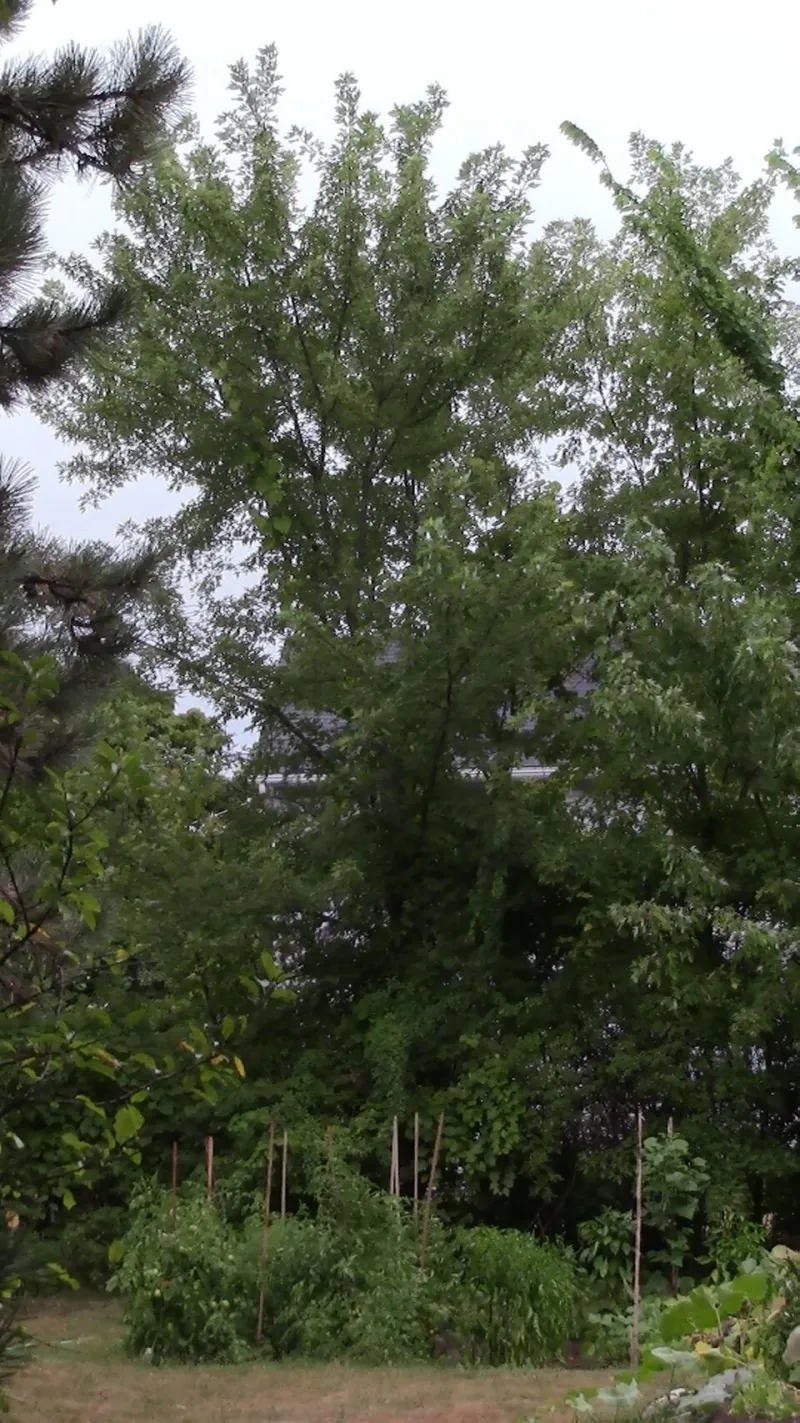
Photo: James Mann from Moncton, New Brunswick, Canada, CC BY 2.0, via Wikimedia Commons
Let's be honest — raised bed kits aren't cheap. A decent cedar raised bed can run $80 to $200 before you even fill it with soil. And if you're already working with a backyard that feels a little cramped, the idea of squeezing in more infrastructure can feel overwhelming and expensive.
But here's the thing: you don't actually need more beds. You need a smarter plan for the space you already have. Plenty of experienced home gardeners are pulling impressive harvests from modest yards by thinking creatively about layout, timing, and plant relationships. Most of these strategies cost next to nothing — and some are completely free.
Let's dig in.
Go Vertical Before You Go Wide
The single fastest way to multiply your growing capacity is to stop thinking in two dimensions. Vertical gardening — training plants upward rather than letting them sprawl across the ground — can effectively double or even triple your usable growing area without adding a single new bed.
Cucumbers, pole beans, peas, small melons, and even some squash varieties take naturally to vertical growing. A simple trellis made from bamboo poles and twine (total cost: a few dollars at most) can support a whole row of climbing vegetables that would otherwise eat up four or five times the ground space.
Don't overlook the structures you already have. Fences, chain-link borders, deck railings, and even old ladders can all double as growing supports. Zip-tie some mesh netting to an existing fence and you've got an instant trellis wall. Hang a few repurposed pallets on the side of a shed, line the slats with landscape fabric, and fill them with herbs or strawberries. These are zero-infrastructure solutions hiding in plain sight.
For climbing plants you're growing in containers, a tomato cage or a DIY teepee of sticks pushed into the pot does the trick just fine.
Succession Planting: The Free Trick That Keeps Beds Producing All Season
Most beginner gardeners plant everything at once in spring and then wonder why the garden looks barren by August. Succession planting fixes that — and it doesn't cost a dime beyond the seeds you'd already be buying.
The idea is simple: instead of planting your entire packet of lettuce seeds in one go, plant a third of them, then plant another third two or three weeks later, and the final third a few weeks after that. You get a continuous harvest instead of a glut followed by nothing.
Better yet, succession planting lets you reclaim space throughout the season. When your spring spinach bolts in June, that bed doesn't have to sit empty. Pull it out, add a little compost, and drop in a warm-season crop like bush beans or summer squash. When those finish in late summer, follow up with fall kale or radishes. One bed, three harvests — all season long.
This approach requires a little planning up front, but a simple notebook or even a sticky note on the fridge is all you need to track what's going in when.
Companion Planting: Let Your Plants Do the Heavy Lifting
Companion planting is one of those gardening strategies that sounds complicated but is actually pretty intuitive once you get the hang of it. The basic concept: some plants grow better together, and pairing them smartly means you can fit more into the same space without creating competition.
The classic example is the Three Sisters method — corn, beans, and squash grown together. The corn grows tall and gives the beans something to climb. The beans fix nitrogen in the soil, feeding the heavy-feeding corn and squash. The squash spreads its big leaves across the ground, shading out weeds and holding in moisture. Three crops in the same footprint, each making the others more productive.
You can apply this thinking all over your garden. Tuck low-growing lettuce or spinach under the shade of taller tomato plants. Interplant fast-maturing radishes between slower-growing peppers — the radishes will be harvested before the peppers need the space. Plant basil between your tomatoes to reportedly deter aphids and other pests (plus it's right there when you need it for dinner).
None of this requires new beds, new soil, or new tools. It just requires paying attention to what you're planting next to what.
Repurpose What You Already Own
Some of the most productive container gardens we've seen were built from stuff that would have otherwise ended up in a dumpster. Old five-gallon buckets, cracked stock tanks, plastic storage bins with holes drilled in the bottom, wooden crates lined with burlap — all of these make perfectly functional planters.
Colanders work surprisingly well for strawberries. Wine barrels (often available for free or cheap from local wineries and homebrew shops) are fantastic for deep-rooted crops like carrots and potatoes. Even an old wheelbarrow that no longer rolls can be retired into planter duty.
The key is drainage. Whatever you're repurposing, make sure water can escape from the bottom. A drill and a few holes is all it takes.
This kind of DIY container gardening also gives you flexibility that fixed beds don't. You can move containers around to chase sunlight, bring them onto a deck or patio, or rearrange your layout season to season without any digging.
Rethink Your Pathways and Edges
Take a walk around your yard and look at the spaces you're not using. The strip of ground along a fence line. The narrow border between the driveway and the lawn. The edge of a flower bed that's currently just mulch.
These marginal spaces add up fast. A 12-inch-wide border running along 20 feet of fence is 20 square feet of growing space — enough for a solid row of herbs, onions, or cut-and-come-again greens. Most gardeners just never think to use it.
Pathways between beds are another opportunity. If your paths are wider than about 18 inches, you're giving up growing space for no good reason. Narrow them down, line them with wood chips or stepping stones, and reclaim that real estate for plants.
The Bottom Line
Expanding your garden doesn't have to mean spending money. The most productive backyard growers aren't necessarily the ones with the most raised beds — they're the ones who've figured out how to use every vertical inch, every transition between crops, and every forgotten corner of their yard.
With a little creativity and some strategic planning, you can seriously boost your harvest this season without spending a single dollar on new infrastructure. And when you're ready to invest in supplies — seeds, soil amendments, trellising hardware — that's exactly where GardenSave comes in to help you get more for less.