How Smart Gardeners Score Quality Tools for Next to Nothing (And Save Hundreds Doing It)
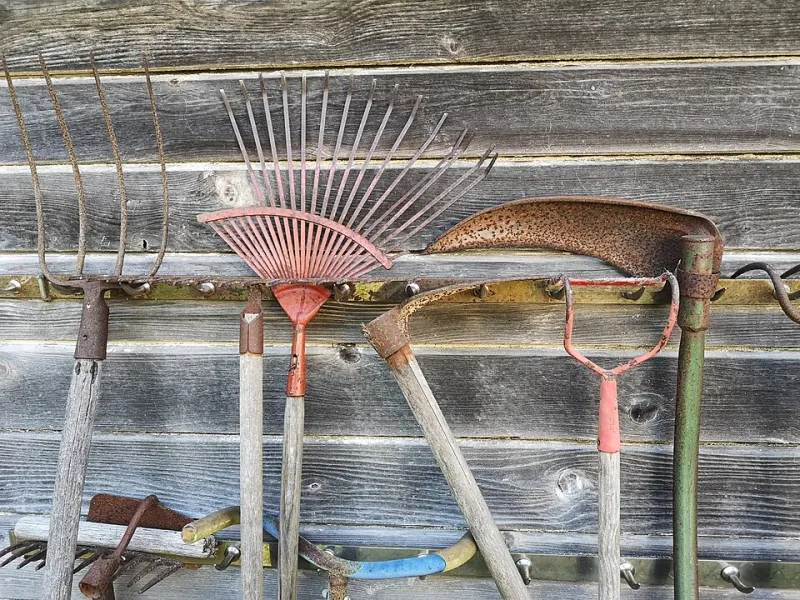
Photo: Dereckson, CC BY 4.0, via Wikimedia Commons
Let's be honest — walking into a big-box garden center in spring can feel like a trap. Shiny new trowels, gleaming pruners, and wheelbarrows lined up like a parade just waiting to drain your wallet. Before you know it, you've dropped $300 on gear you could've found for $40 at your neighbor's garage sale.
Here at GardenSave, we believe a thriving garden shouldn't come at the cost of a thriving bank account. So we put together this no-fluff guide to help you track down solid, reliable garden tools without paying retail prices. Spoiler: it's easier than you think, and honestly, it's kind of fun.
Why Secondhand Tools Are Often the Better Choice
Here's something the garden industry doesn't love to advertise: older tools are frequently better than newer ones. Vintage hand tools made in the US or Europe before the 1990s were often forged from higher-quality steel, with solid wood handles that can be replaced or refinished. That rusty hoe you find at an estate sale? It might outlast anything you'd buy off a shelf today.
Beyond quality, there's the obvious financial upside. A brand-new stainless steel border spade can run $80–$120. The same style of tool — maybe a decade old, a little worn but totally functional — might cost $8 at a church rummage sale. That's not an exaggeration. These deals exist everywhere, and once you start looking, you'll wonder why you ever bought new.
Where to Find the Best Deals on Used Garden Gear
Estate Sales and Moving Sales
This is the goldmine most gardeners overlook. When longtime homeowners downsize or pass their property on, decades of accumulated garden equipment often goes with it — sometimes priced to move fast. Estate sales are particularly great for finding complete tool sets, vintage cast-iron implements, and even larger items like garden carts or cold frames.
Use sites like EstateSales.net or Estatesales.org to find sales in your area. Show up early on the first day for the best selection, but swing by on the last day for deeper discounts — sellers often slash prices dramatically to avoid hauling things away.
Facebook Marketplace and Nextdoor
These two platforms have become some of the best local resources for used garden equipment. Search for terms like "garden tools," "lawn equipment," or even specific items like "raised bed kits" or "soaker hoses." Nextdoor is especially useful because you're already connected to people in your immediate community — and neighbors are often happy to give stuff away rather than trash it.
Set up alerts on Facebook Marketplace for the tools you're hunting. Deals pop up constantly, especially in late fall when people are cleaning out sheds, and again in early spring when folks realize they've got too much stuff.
Tool Libraries and Community Swaps
This one's a game-changer if you live near a city or a well-organized suburban community. Tool libraries — yes, they exist — let you borrow garden equipment the same way you'd borrow a book. Many are run by public libraries or community organizations. The American Library Association has even noted a rise in "library of things" programs across the country.
Community garden swaps are another great option. Local gardening clubs, cooperative extensions, and neighborhood associations often host seasonal swap events where members trade tools, seeds, and plants. You bring what you don't need; you leave with what you do. No cash required.
Thrift Stores and Habitat for Humanity ReStores
Goodwill and similar thrift shops frequently have garden tools in the housewares or outdoor sections. But the real hidden gem? Habitat for Humanity ReStores. These nonprofit resale shops accept donated home improvement and garden supplies, and they often have an impressive rotating stock of shovels, rakes, hoses, and even small power equipment.
How to Evaluate Used Tools Before You Buy
Not every secondhand find is worth your money. Here's a quick checklist to run through before you hand over any cash:
Check the metal for cracks, not just rust. Surface rust is totally normal and easy to remove with steel wool and a little oil. But cracks or deep pitting near joints or blade edges are deal-breakers — the tool could fail under pressure.
Test the handle integrity. Wooden handles should feel solid, not spongy or cracked. Wiggle the head to check for looseness. A wobbly connection means the tool could separate during use, which is both frustrating and potentially dangerous. That said, handles are often replaceable — you can pick up replacement tool handles at most hardware stores for $10–$15.
Look for brand names. Vintage tools from brands like True Temper, Ames, Bulldog (UK), or Seymour are worth snapping up even if they need some cleanup. These companies built tools to last.
Think about what you actually need. It's easy to go overboard at a sale and come home with twelve trowels. Before you shop, write down the three to five tools you genuinely use most often and focus your search there.
Cleaning and Restoring Your Secondhand Finds
Once you've scored some deals, a little TLC goes a long way. Here's a simple restoration routine:
- Remove rust with steel wool or a wire brush. For stubborn rust, soak metal parts in white vinegar for a few hours before scrubbing.
- Sharpen blades using a metal file or a whetstone. A sharp spade or hoe makes gardening significantly easier and less tiring.
- Oil the metal with linseed oil or a light machine oil to prevent future rust.
- Sand and seal wooden handles with linseed oil or tung oil to restore grip and prevent cracking.
The whole process for a set of three or four tools might take an afternoon and cost you under $15 in supplies. The result? Tools that look and perform like new.
Building a Community Around Tool Sharing
One of the unexpected perks of going the secondhand route is that it tends to connect you with other gardeners. You start chatting at estate sales, trading tips on Facebook groups, or swapping cuttings with the person who sold you their old pruners. Gardening has always been a communal activity at its roots, and embracing secondhand culture leans right into that.
Consider starting your own neighborhood tool swap if one doesn't exist yet. A simple social media post or flyer at a local community board can get the ball rolling. You might be surprised how many people in your area are sitting on tools they never use.
The Bottom Line
Between estate sales, online marketplaces, tool libraries, and community swaps, there's genuinely no reason to pay full retail for most garden tools. With a little patience and some know-how on evaluating used gear, it's entirely realistic to outfit your backyard operation for a fraction of what you'd spend at a garden center.
At GardenSave, we're all about helping you grow more while spending less — and that starts with being smart about where your money goes. Happy hunting out there.