Stop Burning Money in the Garden: 5 Costly Mistakes Most Backyard Growers Make

Photo: frustrated home gardener looking at wilting plants in backyard vegetable garden, via static1.backyardbossimages.com
Gardening is supposed to save you money — fresh vegetables, homegrown herbs, a beautiful yard without a landscaper's bill. But for a lot of home gardeners, the hobby quietly becomes a money pit. Not because they're doing anything obviously wrong, just because they've picked up a few habits that chip away at the budget without anyone pointing it out.
We're pointing it out. Here are five genuinely expensive gardening mistakes, why they happen, and what you can do instead to keep more money in your pocket without sacrificing your garden's potential.
Mistake #1: Overbuying Seeds Every Single Spring
The financial hit: $30–$80 per season, wasted
Walk into any garden center in March and it's almost impossible not to grab a dozen seed packets. They're cheap individually — $3 here, $4 there — so it feels harmless. But those impulse purchases add up fast, and the dirty secret is that most gardeners use maybe half the seeds in each packet per season.
The rest? They sit in a junk drawer or a damp garage until next year, when you're not sure if they're still viable, so you buy new ones anyway. Repeat indefinitely.
Why it happens: Seed displays are specifically designed to trigger enthusiasm. You're excited about the season, everything looks possible, and a $3.50 packet feels like a small commitment. Multiply that by fifteen varieties and you've spent $50 before you've turned a single shovelful of dirt.
The smarter move: Start by taking inventory of what you already have. Seeds from reputable suppliers often remain viable for two to four years when stored properly in a cool, dry location — a sealed container in the fridge works great. Test older seeds by placing ten on a damp paper towel; if seven or more sprout within a week, they're good to go.
Also consider joining a seed library or a local seed swap. Many public libraries across the US now offer seed lending programs where you can check out seeds for free. And when you do buy new, focus on open-pollinated or heirloom varieties — you can save seeds from your harvest and skip buying that variety altogether next year.
Mistake #2: Skipping Soil Prep and Paying for It All Season
The financial hit: $50–$200+ in failed plants, fertilizers, and do-overs
This is the mistake that stings the most because it's invisible until it's too late. You plant your tomatoes, your peppers, your squash — and then spend the rest of summer wondering why everything looks sad and stunted. The answer, more often than not, is the soil.
Gardeners who skip a proper soil assessment at the start of the season often end up throwing money at symptoms rather than the root cause. They buy fertilizers, pest treatments, and replacement plants when the real problem is pH imbalance, compaction, or nutrient deficiency.
Why it happens: Soil prep feels like homework. It's not as exciting as planting, and it's easy to assume that if plants grew okay last year, the soil must be fine. That's not always true — soil health changes from season to season depending on what you grew, how much rain fell, and how the soil was treated over winter.
The smarter move: Get a basic soil test before you plant. Your local cooperative extension office (find yours through the USDA's extension locator) often offers soil testing for as little as $10–$15. The results will tell you exactly what your soil needs, so you're not guessing or overbuying amendments.
Composting is the other half of this equation. A simple backyard compost pile costs almost nothing to maintain and produces incredibly rich soil amendment that would otherwise cost $15–$30 per bag at the garden center. If you're not composting yet, starting this season will pay dividends for years.
Mistake #3: Buying Equipment That's Way Too Big (or Too Powerful) for Your Space
The financial hit: $200–$800 on equipment you'll barely use
There's a particular kind of gardening enthusiasm that leads people to buy a 22-inch self-propelled lawn mower for a postage-stamp yard, or a gas-powered tiller for a 4x8 raised bed. Big equipment feels serious. It feels like an investment. But if it's oversized for your actual needs, it's just an expensive thing taking up space in your garage.
Why it happens: Marketing for garden equipment often targets aspirational gardeners — the version of yourself who has a half-acre plot and a barn full of raised beds. If you're not careful, you end up buying tools for the garden you wish you had rather than the one you actually have.
The smarter move: Be ruthlessly honest about your space. For most suburban home gardeners with standard-sized yards and a few garden beds, a quality cordless electric mower, a hand cultivator, and a decent hose setup will cover 90% of your needs. Save the heavy equipment purchases for when your garden genuinely demands them.
For larger one-time projects — tilling a new bed, chipping branches after a storm — consider renting equipment instead of buying. Home Depot and Lowe's both offer tool rental programs, and you can often get what you need for a day for $40–$70, versus spending $400+ to own it.
Mistake #4: Watering Inefficiently and Watching Your Water Bill Climb
The financial hit: $50–$150 added to your summer water bill
Overwatering is one of the most common mistakes in the garden — and it's not just bad for your plants, it's bad for your wallet. Running sprinklers on a schedule regardless of rainfall, watering in the middle of the day when evaporation is highest, and using overhead watering when drip irrigation would do the job better are all habits that quietly inflate your utility bills.
Why it happens: Many gardeners set up a watering schedule in early spring and just... leave it. It feels like one less thing to think about. But a rigid schedule doesn't account for rain, temperature changes, or the fact that different plants have wildly different water needs.
The smarter move: Invest in a basic moisture meter (usually $10–$20) to check soil moisture before watering rather than guessing. Drip irrigation kits, which deliver water directly to root zones with minimal evaporation, are surprisingly affordable and can be set up in an afternoon. Pair a drip system with a simple rain sensor or a smart timer and you could cut your garden watering costs by 30–50%.
Mulching your beds is also hugely effective — a 2–3 inch layer of wood chip mulch or straw keeps moisture in the soil longer, meaning you water less frequently.
Mistake #5: Replacing Instead of Repairing
The financial hit: $30–$150 per season on unnecessary replacements
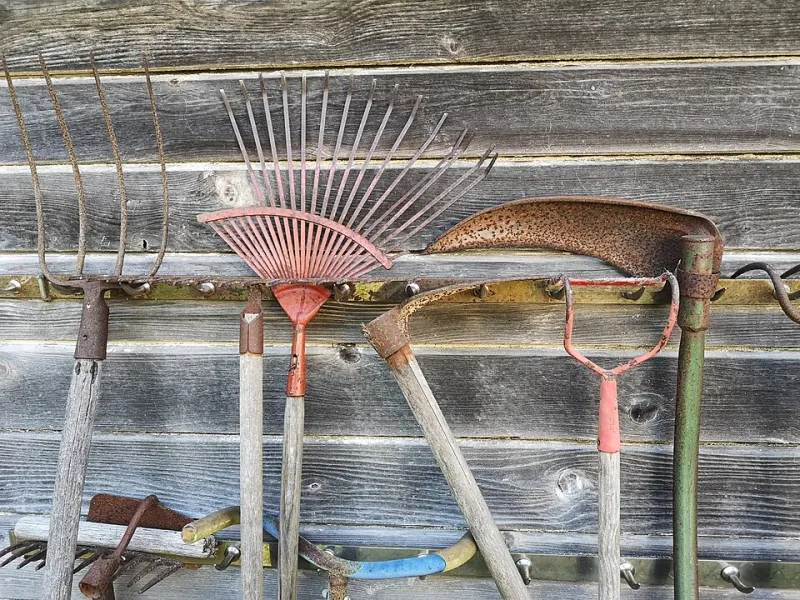
A trowel handle cracks. A hose develops a small leak. A raised bed plank starts to rot at one end. The instinct for a lot of gardeners — especially newer ones — is to replace these things outright. But most garden equipment is far more repairable than people realize, and the repair cost is almost always a fraction of replacement.
Why it happens: We live in a pretty replace-it culture, and garden supply marketing doesn't exactly encourage you to fix what you've got. But throwing out a perfectly good shovel because the handle cracked is genuinely wasteful and expensive over time.
The smarter move: Learn a few basic repair skills. Wooden tool handles can be replaced for $10–$15 at any hardware store. Garden hose repair kits cost about $5 and fix most common leaks in minutes. Raised bed lumber can often be patched or have individual boards replaced rather than rebuilding the whole structure.
Before you buy anything new, ask yourself: could this be fixed for less than half the cost of replacing it? If the answer is yes, fix it.
Grow More, Spend Less
None of these mistakes are signs of a bad gardener — they're just habits that sneak up on people over time. The good news is that every single one of them is fixable, and making even two or three of these changes can meaningfully reduce what you spend each season.
At GardenSave, we're in your corner when it comes to stretching your gardening budget without cutting corners on quality. A little awareness goes a long way — and so does knowing where to find the best deals when you do need to buy something new.