Grandpa's Shed Is a Gold Mine — If You Know What You're Looking At
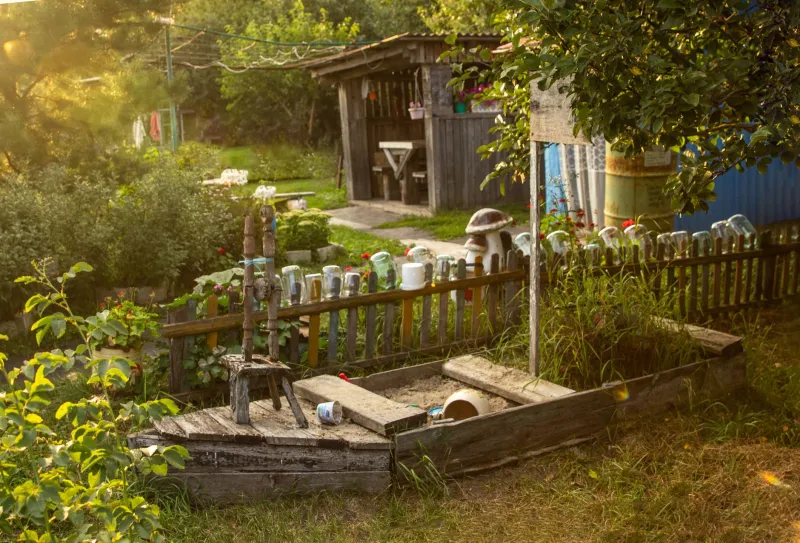
Maybe it was your grandfather's potting shed out back, your aunt's meticulously labeled seed collection, or a full garage bay of garden gear left behind after your neighbor downsized. Whatever the situation, inheriting someone else's gardening supplies is a genuinely mixed experience. There's nostalgia, sure — but there's also a whole lot of stuff to deal with, and not all of it belongs in your garden.
Here's the good news: with a little know-how, what looks like a chaotic pile of old junk can become a combination of genuinely useful tools, sellable antiques, and donations that help other gardeners in your community. Let's break it down.
Start With a Full Inventory Before You Toss Anything
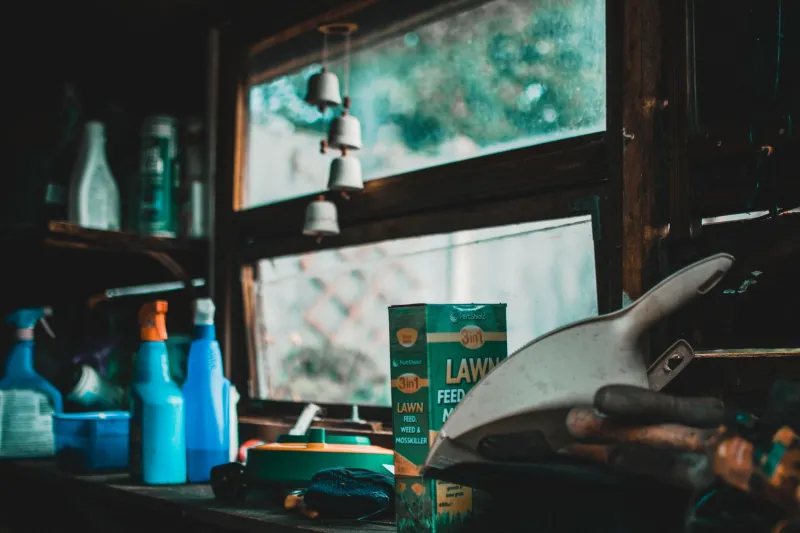
This sounds obvious, but it's the step most people skip. Before you haul anything to the curb or toss it in a bin bag, do a complete walkthrough and make a rough list. Separate things into broad categories: hand tools, power equipment, seeds and bulbs, containers and pots, fertilizers and chemicals, and miscellaneous gear.
Why does this matter? Because the value of old garden tools — and their usability — varies wildly depending on what they are and how they were stored. A rusted trowel shoved in a damp corner is probably done. But a cast-iron cultivator hanging on a dry wall might clean up beautifully and outlast anything you'd buy new today.
Don't make quick decisions. Give yourself at least a weekend to sort and assess.
The Real Talk on Old Hand Tools
Vintage hand tools are where you'll find the most pleasant surprises. Pre-1970s American-made tools — brands like True Temper, Ames, and Union Fork & Hoe — were often built with better steel and thicker construction than what's on store shelves today. A well-made old hoe or spading fork can absolutely be restored and used for decades more.
What to look for:
- Solid wood or fiberglass handles that aren't cracked or splintered. Minor roughness can be sanded; a split handle needs replacement, which is still cheap and easy.
- Forged metal heads rather than stamped sheet metal. Forged tools have a visible seam or ridge and feel noticeably heavier.
- Surface rust versus deep pitting. Surface rust scrubs off with steel wool and a little WD-40. Deep pitting means the metal has been compromised and the tool is decorative at best.
For anything worth keeping, a basic restoration takes about 20 minutes: sand the handle, oil it with linseed oil, scrub the metal clean, sharpen the blade if needed, and hang it dry. You'll have a tool that rivals — or beats — something new from a garden center, at zero cost.
When to Sell Instead of Keep
Not everything is useful to you, even if it's in great shape. If you've inherited a full set of long-handled tools but you only container garden on a balcony, those full-size shovels aren't doing you any favors sitting in a closet.
Vintage tools in good condition sell surprisingly well, especially online. Facebook Marketplace and eBay are your best bets for reaching buyers who specifically seek out old American-made tools. Etsy has a market for decorative or unusually ornate pieces. Craigslist works well for local pickup on heavier items.
Pricing guidance:
- Clean, restored vintage hoes, rakes, and forks: $15–$40 depending on brand and condition
- Old hand cultivators and weeders in good shape: $10–$25
- Unusual or specialty tools (bulb planters, corn planters, antique dibbers): $20–$60+
- Matched sets or brand-name collections: can command a premium
If you don't want to bother with individual listings, an antique dealer who handles farm and garden items may buy the lot at a lower per-item price but save you the hassle.
The Seed Question: Are They Still Any Good?
This is where things get interesting. Old seeds are not automatically dead seeds. Stored correctly — in a cool, dry, dark environment — many vegetable and flower seeds remain viable for years beyond what the packet suggests.
If you've found labeled seed packets or tins, here's a quick viability test: Place 10 seeds between two damp paper towels, seal them in a plastic bag, and set them somewhere warm (about 70°F) for a week. Count how many germinate. If 7 or more sprout, the seed lot is in solid shape. If only 3–4 sprout, you can still use them — just plant more densely to compensate.
Heirloom and open-pollinated seeds are especially worth testing. If grandpa was saving his own seeds, those varieties could be genuinely rare — locally adapted strains that have been passed down through actual growing seasons in your region. That's worth real effort to preserve.
Seeds that don't test well? Don't just toss them. Local seed libraries, community gardens, and gardening Facebook groups often welcome donations of older seeds for trial planting. Someone will want to test them.
Dealing With Old Fertilizers and Pesticides
This is the one area where the answer is almost never "keep it." Old chemical fertilizers may have clumped, separated, or lost effectiveness. More importantly, older pesticides and herbicides — especially anything predating 1990 — may contain compounds that are now restricted or outright banned in the US.
Do not put old pesticides in the trash or pour them down the drain. Most counties and municipalities offer hazardous household waste (HHW) collection events or permanent drop-off sites. A quick search for "[your county] hazardous waste disposal" will point you to the right place. It's free, it's safe, and it keeps that stuff out of your groundwater.
Organic materials — bone meal, blood meal, dried kelp — are generally fine to use if they're dry and haven't been contaminated. Smell them. If they smell like what they're supposed to smell like, they're probably still functional.
What to Donate and Where
Not everything needs to be sold. Duplicate tools, extra pots, perfectly good supplies you simply don't need — these can do real good in the right hands.
Good places to donate garden supplies in the US:
- Community gardens: Most welcome tool donations and often have a shared tool shed
- Master Gardener programs: Many county extensions accept and redistribute donated supplies
- Habitat for Humanity ReStores: They take garden tools, containers, and outdoor equipment
- Local schools with garden programs: Elementary and middle schools with gardening initiatives are often working with almost nothing
- Mutual aid networks and Buy Nothing groups: Hyperlocal, no-hassle, and your stuff goes directly to neighbors
The Bottom Line
Inheriting a garden collection isn't a burden — it's an opportunity, if you approach it with the right mindset. Take the time to actually look at what you have. Restore what's worth restoring. Sell what someone else will value more than you do. Test those seeds before you write them off. And get rid of the chemical stuff safely.
The goal at GardenSave has always been simple: help you spend less and grow more. Sometimes the best deal isn't a sale on new gear — it's recognizing the value that's already sitting right in front of you.