We Priced Our Harvest Against Aldi for a Whole Week — Here's the Honest Math
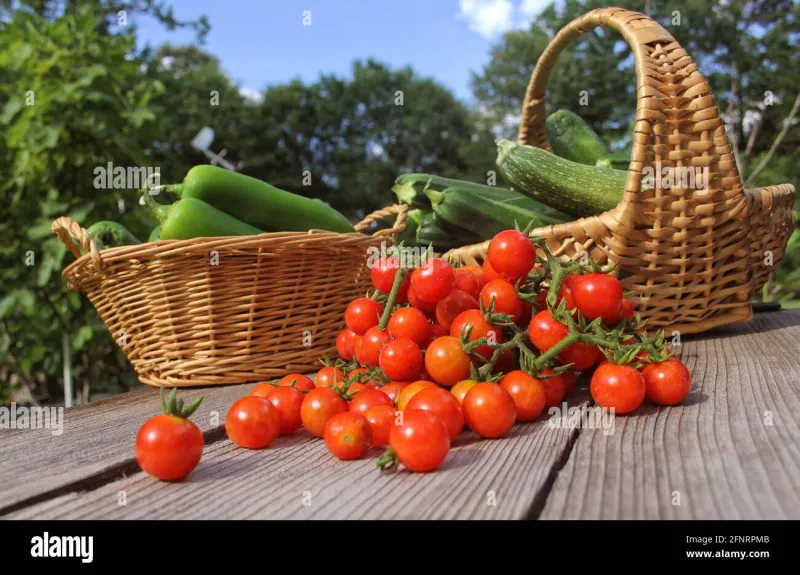
Photo: fresh backyard vegetable garden harvest basket tomatoes zucchini, via c8.alamy.com
Everybody has that friend who swears their garden 'basically pays for itself.' And everybody has seen the viral posts claiming a single tomato plant yields $75 worth of fruit. We wanted to know if that holds up when you actually run the numbers — so for one week in late July, we weighed every vegetable that came out of our 4x8 raised beds and priced it against the cheapest equivalent at our local Aldi.
The results? More complicated — and more interesting — than either the hype or the skeptics would have you believe.
The Setup: A Real Backyard, Real Prices
Our test garden is nothing fancy: two raised beds, about 64 square feet total, planted with tomatoes, zucchini, summer squash, bush beans, bell peppers, and loose-leaf lettuce. Seeds and transplants cost us $31.40 back in spring. Water ran roughly $2.10 for the week based on our meter readings during a hot stretch. We didn't count labor — more on that later.
At our Aldi, we noted the per-pound prices for organic-adjacent conventional produce: tomatoes at $1.79/lb, zucchini around $1.49/lb, green beans $2.29/lb, bell peppers $1.25 each, and salad greens at roughly $6 for a 12-ounce clamshell.
The Harvest Tally
Here's what came out of the beds that week:
- Tomatoes: 6.8 pounds (roughly $12.17 at store prices)
- Zucchini and yellow squash: 4.2 pounds ($6.26)
- Bush beans: 1.3 pounds ($2.98)
- Bell peppers: 5 peppers ($6.25)
- Lettuce and greens: 1.5 pounds — call it $12 worth, since store greens are sold by the container
Total store value: about $39.66 for one week of harvesting. Against our weekly costs of a couple bucks for water and a share of the spring seed bill, the garden is clearly 'winning' during peak season.
But Wait — Don't Forget the Full Ledger
Here's where the honest math gets uncomfortable. Spread that $31.40 in plants and seeds across the whole season, add in a bag of compost, a few dollars of fertilizer, and the tomato cage we finally replaced, and our total season investment sits around $95. During peak July and August, we're harvesting the equivalent of $35–40 a week, so the garden pays itself off by mid-season and then prints produce money. In May and June, though, we were harvesting almost nothing while the water bill ticked up.
And labor? We spent maybe three hours a week on watering, weeding, and picking. If you value your time at $15 an hour, that 'free' zucchini costs real money. If you'd spend that time in the garden anyway — and honestly, most of us garden because we like it — the labor argument doesn't really apply.
Where the Garden Wins Big
Some crops are simply no contest:
- Fresh herbs. A $3 basil plant produces more basil over a summer than $3 of store basil could ever dream of. This is the single biggest bang-for-buck in any kitchen garden.
- Salad greens. Store greens are expensive per pound and spoil fast. Cut-and-come-again lettuce from the backyard is nearly free after the first month.
- Zucchini and other heavy producers. One plant will overwhelm your family. You will be leaving zucchini on neighbors' porches by August. That's a savings win, whether you wanted it or not.
- Anything you eat weekly. If tomatoes are in your fridge every single week from June to October, growing them saves real, compounding dollars.
Where the Store Wins
Being honest: some things just aren't worth growing on a budget. Potatoes and onions are so cheap at discount grocers that the garden space is better spent elsewhere. Carrots are hit-or-miss in heavy soil. And if you only eat one eggplant a year, that bed space could grow $40 of green beans instead.
The Verdict
Can a backyard garden beat Aldi prices? During the peak season, easily — our week's harvest would have cost nearly $40 at the cheapest store in town, from a garden that cost under $100 for the entire year. Over a full season, a modest plot with the right crops can realistically offset $300–500 in grocery spending.
But the savings aren't automatic. They come from choosing high-value crops, eating what you grow, and not sinking money into gadgets you don't need. Garden for the flavor and the therapy, plant the expensive-to-buy stuff, and the savings will follow you home every week.