We Grew the Same 10 Vegetables From Cheap and Pricey Seeds — Here's What Actually Happened
The Seed Aisle Has a Marketing Problem
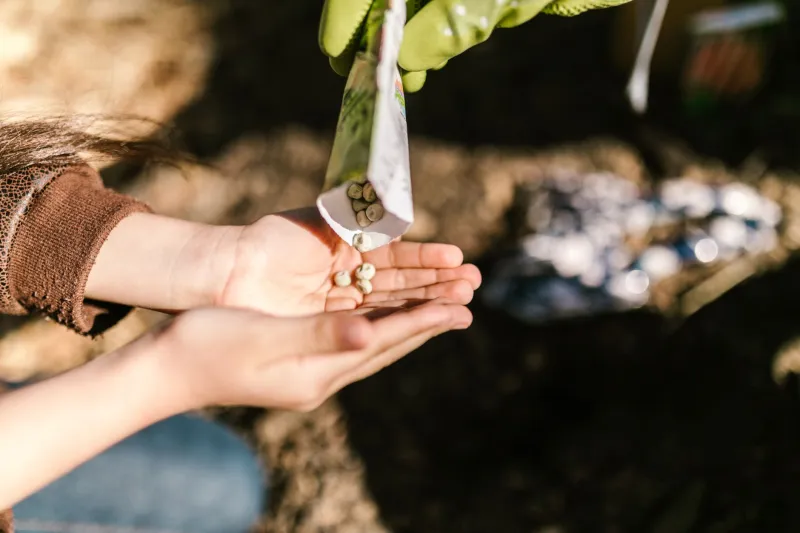
Walk into any garden center — or scroll through a seed catalog — and you'll notice something right away. Some seed packets cost $1.49. Others run $6, $8, even $12 for roughly the same number of seeds inside. The premium brands lean hard on words like "heirloom," "hand-selected," and "small-batch." The budget options just… sit there, quietly promising the same vegetables.
So which ones actually deliver?
We spent one full growing season finding out. Ten vegetable varieties. Two seed sources each. Same soil, same water schedule, same garden beds. We tracked germination rates, days to harvest, total yield by weight, and flavor (yes, we ate a lot of vegetables). Then we crunched the cost-per-pound of actual food produced.
Here's what we learned.
How We Set Up the Test
For the premium side, we pulled seeds from three well-known heirloom and specialty seed companies that regularly show up on "best seed catalogs" lists — the kind gardeners rave about in online forums. For the budget side, we used bulk seed packets from a discount supplier, the type you can grab in packs of 500 or 1,000 for a couple of dollars.
We planted everything in identical raised beds with the same amended soil mix, spaced according to each variety's recommended spacing, and watered on the same drip schedule. No fertilizer advantages, no special treatment. Just seeds in dirt, doing their thing.
The 10 crops: tomatoes, zucchini, bush beans, lettuce (loose-leaf), cucumbers, kale, radishes, carrots, sweet peppers, and basil.
The Crops Where Budget Seeds Held Their Own
Zucchini was the most dramatic example of budget seeds punching above their weight. Both sources germinated at nearly identical rates (91% premium vs. 88% budget), and by midsummer, the budget plants were actually slightly more productive — probably due to natural variation in the seed stock rather than any quality difference. Cost per pound of zucchini: $0.04 from budget seeds vs. $0.31 from premium. That's not a rounding error. That's a real gap.
Bush beans told a similar story. Germination was near-identical, yield was within 8% of each other, and flavor was indistinguishable in a blind taste test among five people. Beans are beans. The budget packet cost $1.89 for 200 seeds. The premium packet cost $5.50 for 60 seeds. Do the math.
Radishes were almost laughably equal. Both sets came up fast, tasted sharp and peppery, and produced similar root sizes. If there was a difference, we couldn't find it.
Kale and loose-leaf lettuce also landed solidly in the "budget wins" column. Germination rates were within 5% of each other, and the greens looked and tasted nearly identical. For crops you're harvesting repeatedly over weeks, the lower seed cost adds up to real savings fast.
Where Premium Seeds Actually Earned Their Price Tag
Here's where things got more nuanced.
Tomatoes showed the clearest case for spending more — but with an asterisk. The premium heirloom varieties we tested offered noticeably more complex flavor. In blind tastings, four out of five testers preferred the premium tomatoes when eaten raw. However, the yield per plant was lower, and the plants were more susceptible to cracking after rain. If you're growing for fresh eating and flavor is everything, the premium price might be worth it. If you're growing for sauce, salsa, or canning? The budget seeds produced more fruit per plant and the flavor difference cooked out entirely.
Sweet peppers split the difference. Germination was slightly better with premium seeds (87% vs. 79%), which matters when you're starting peppers indoors in late winter and every seed counts. The fruit quality was comparable, but that germination gap is meaningful enough to consider paying more if you're working with limited indoor space.
Carrots surprised us. The premium seeds produced more uniform roots — fewer forked, twisted, or stubby carrots — which matters if you care about presentation. For pure eating, the flavor was similar. But if you're growing for a farmers market or just hate ugly carrots, the premium option delivered noticeably cleaner results.
Basil was a draw. Both germinated well, both grew vigorously, and both tasted like basil. We'd call this a budget win by default.
Cucumbers leaned slightly toward premium — not because of yield, but because the premium seeds had better disease resistance labeling and our budget cucumber plants showed earlier signs of powdery mildew. Whether that's seed quality or just bad luck is hard to say from one season, but it's worth noting.
The Cost-Per-Harvest Breakdown
When we totaled everything up, here's where the money landed across all 10 crops:
- Total spent on premium seeds: $61.40
- Total spent on budget seeds: $14.75
- Yield difference: Premium produced about 12% more food by weight overall, largely due to tomato and carrot results.
- Cost per pound of food produced: $0.19 (premium) vs. $0.06 (budget)
That 12% yield advantage does not justify a 316% price increase. Not even close.
The smarter move — and the one we'd actually recommend — is a hybrid approach. Spend on tomatoes if fresh flavor matters to you. Spend on peppers if germination rates affect your seed-starting setup. Buy everything else in bulk.
A Simple Framework for Your Seed Budget
Before you fill your cart next spring, ask these three questions:
-
Is this a crop where flavor variation is the whole point? Tomatoes, specialty peppers, and unique lettuces can justify premium pricing because variety selection genuinely changes what you taste.
-
Are you starting indoors where every seed counts? Higher germination rates matter more when you have 72-cell trays and limited grow light space. Peppers, eggplant, and slow-growing herbs fall here.
-
Is this a high-volume, fast-turnover crop? Beans, zucchini, radishes, and greens don't need premium seeds. Buy in bulk and bank the difference.
The Bottom Line From Our Beds
Premium seed companies aren't selling snake oil — some of their products genuinely deliver. But the idea that expensive seeds automatically mean a better garden is a myth that costs backyard growers real money every single season.
For most crops most of the time, budget bulk seeds perform nearly identically to their pricier competition. The savings you pocket can go toward better soil amendments, a drip irrigation upgrade, or simply more seeds so you can plant more and harvest more.
Grow smarter, not more expensively. Your garden doesn't know what you paid for the packet — it just needs good conditions to do its job.