Stop Paying Full Price for Plants: How Real Bargain Hunters Shop the Garden Center
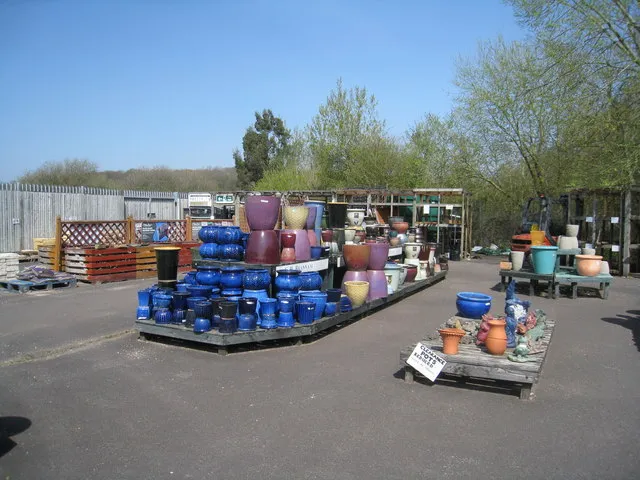
Photo: Sandy B , CC BY-SA 2.0, via Wikimedia Commons
Let me say the thing that needs saying: if you're paying full price for a perennial, you're doing it wrong. Not a little wrong — significantly wrong. The same hydrangea sitting on the shelf at $34.98 in May will be $12 in September, and unlike a gallon of milk, it doesn't care that you bought it late. Plants don't have expiration dates. They have markdown schedules. And once you learn to shop that way, your garden budget will never be the same.
Learn the Markdown Rhythm (It's Not a Secret, But It Might as Well Be)
Every garden retailer — the big-box home improvement stores, the regional chains, even the independent nurseries — runs on a predictable cycle. Spring gets the new stock and the full prices. But by mid-July, shelf space is at a premium, summer annuals are fading, and someone in a vest walks the aisles with a markdown gun.
At most national chains, the pattern looks like this: first markdown at 30% when a shipment or season ends, second markdown around 50% a week or two later, and a final clearance of 70–75% when management just wants it gone. The trick is knowing your store. Some markdown Monday mornings. Some do it Friday before the weekend rush. Ask an employee when truck day is — the day after truck day is when old stock gets marked down to make room. This one question is worth hundreds of dollars a year.
The Loyalty Programs Nobody Uses
The major home improvement chains run free rewards programs that gardeners bizarrely ignore. One of the big two sends personalized offers and lets you track past purchases; another has historically offered rebate programs on plants that die — yes, a one-year guarantee on trees, shrubs, and perennials. Keep your receipt. If your $30 blueberry bush dies, you get your money back. That's not couponing; that's free insurance that most shoppers never claim.
Local independent nurseries run loyalty programs too, and they're often better: punch cards, end-of-season member sales, and first-dibs emails when overstock arrives. Plus, an independent nursery manager who knows you will personally flag you when the good stuff hits the discount bench. That relationship is worth more than any coupon.
How to Spot a Clearance Plant Worth Saving
Here's where bargain hunters separate themselves from bargain grabbers. That 75%-off rack is full of plants in two categories: ones that are fine, and ones that are compost. Here's the quick triage:
- Check the roots, not the flowers. Gently tip the plant out of its pot. White, firm roots? Buy it. Brown, mushy, or roots circling into a solid brick? It's root-bound and stressed — only worth it at deep discount if you're willing to tease the roots apart and gamble.
- Look for new growth. A perennial with dead-looking tops but fresh green shoots at the base is a rescue, not a reject. Plants go dormant, get leggy, and lose their blooms — none of that matters by next spring.
- Skip anything with pests. Webbing, sticky residue, or whiteflies clouding up when you brush the leaves? Walk away. You didn't find a deal; you found an infestation that will spread to everything you own.
- Woody shrubs with a broken branch are usually fine. Prune it. Save 60%.
Stack Your Savings Like a Pro
The real magic happens when you combine moves. Buy a discounted perennial at 50% off in September — which, remember, is also a great planting season in most of the country — pay with a rewards rebate, and use a price-match policy against a competitor's sale. That's three discounts on one plant. I've done this with $18 ferns that cost me $4.50.
A few more stacking plays:
- Buy gift cards at a discount from warehouse clubs or gift-card resale sites, then use them during clearance events.
- Watch for multi-buy deals — '5 perennials for $25' events stack beautifully with a markdown rack, because discounted items often still count toward the deal.
- Split bulk purchases with a gardening friend. Buy the 40-quart bag of soil at the bulk price, split the cost and the dirt.
The Bottom Line
Gardening has a reputation for being expensive, but that reputation belongs to people who shop in May and pay sticker price for everything. Shop the markdown schedule, claim the guarantees you're already entitled to, and treat the clearance rack like the treasure hunt it is. Your garden will be just as full — and your wallet will finally stop flinching every time you drive past the garden center.