The Bargain Hunter's Garden Calendar: When to Buy What, Month by Month
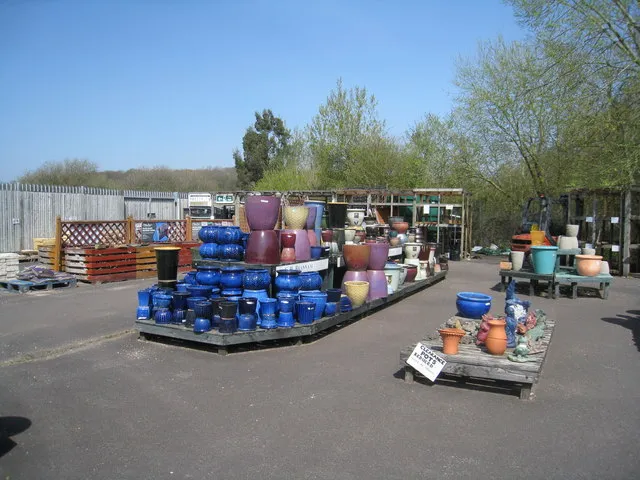
Photo: Sandy B , CC BY-SA 2.0, via Wikimedia Commons
Here's a truth the garden industry would rather you not figure out: almost nothing in a garden center needs to be bought at full price. Everything — plants, tools, soil, even greenhouses — has a markdown season. You just have to shop out of sync with your planting schedule. Buy when things are cheap; plant when the time is right.
Here's the calendar we've pieced together from years of watching clearance racks at the big-box stores, regional chains, and local nurseries.
January–February: Bare-Root Season
This is the quietest month in the garden center, which means it's when bare-root fruit trees, berry bushes, roses, and asparagus crowns hit the shelves at their lowest prices of the year. Bare-root stock often runs 30–50% cheaper than potted versions of the same plant, and it typically establishes better. Big-box home improvement stores start rolling out seed racks in late January, but hold off on seeds unless you need specialty varieties — you'll find seed sales in March.
Skip at full price: pots and planters. Nobody marks them down until spring traffic shows up.
March–April: Seeds and Soil, With Caveats
Seed companies run promotions through early spring, and grocery and hardware stores often discount seed packets as spring approaches. Compost, mulch, and bagged soil go on sale around Earth Day at most national chains — look for 5-for-$10 type deals on soil and mulch. This is also the time to pounce on bareroot leftovers as stores try to clear them.
Skip at full price: transplants. It's tempting to buy tomato starts in April, but wait — the deals come later.
May: The Danger Zone
May is peak season, which means peak prices. Mother's Day weekend is the Super Bowl of the garden industry. If you can, buy nothing this month except what you absolutely need. The one exception: some stores discount cold-season vegetable starts (lettuce, broccoli, cabbage) in late May as they become off-season stock.
June–July: First Markdown Waves
Once the Memorial Day rush fades, perennial markdowns begin. Stores start pulling anything that's past bloom or looking rough — often 30–50% off. Annuals start hitting clearance by early July, especially at big-box stores that need shelf space for grills and patio furniture. If you can nurse a wilted petunia back to health, July is your month.
Skip at full price: fertilizer and pest control. Those go on sale later in the season.
August–September: The Best Deals of the Year
This is the money window. Garden centers need this inventory gone, and markdowns get aggressive:
- Perennials, shrubs, and trees: 40–75% off
- Compost bins and rain barrels: often 25–50% off as the season winds down
- Garden tools and hoses: frequently half price
- Seeds: many stores clearance seed racks for 50–90% off. Seeds don't really 'expire' — a two-year-old packet germinates nearly as well as a fresh one.
September is also a legitimately good planting time for perennials, trees, and shrubs in most of the US, since cool air and warm soil help roots establish. You're getting clearance prices at the ideal planting moment. That's the whole trick in one sentence.
October–November: Fencing, Bulbs, and Big-Ticket Gear
Spring-bulb clearance happens in November — buy daffodils and tulips at 50–75% off and get them in the ground before it freezes hard. Fencing, trellises, and landscape fabric get deeply marked down as stores transition to holiday stock. Greenhouses, cold frames, and raised bed kits often see their deepest discounts in late fall too, right when you can snag them for next year.
Skip at full price: holiday amaryllis and gift plants. Wait until after Christmas — same plant, half the price.
December: Tool Season
Garden tools, gloves, kneelers, and pruners get folded into holiday sales, and garden centers clearing stock for winter will let nice pruners go for a fraction of spring prices. Put it on your wish list and buy it yourself in January.
The One Rule That Ties It All Together
Buy tools, trees, and perennials at the end of their season. Buy seeds and bare-root stock at the beginning of yours. And whenever you see a clearance rack, ask one question: 'Can this survive until planting time?' If the answer is yes — and with seeds, bare-root stock, and hardy perennials it almost always is — you've just saved yourself 50% for the price of a little patience.