Build a Living Seed Library That Grows Richer Every Single Year
Most gardeners think of seeds as a recurring expense — something you buy fresh every spring, toss in the ground, and replace again next year. But experienced growers know a different truth: seeds can be an asset. And heirloom varieties, in particular, are the kind of asset that compounds over time.
If you've been eyeing those $4 to $6 seed packets at the garden center every March, imagine what it would feel like to skip that aisle entirely — because your own personal seed library already has everything you need, adapted specifically to your backyard, your soil, and your climate.
That's not a fantasy. It's exactly what happens when you commit to saving heritage and heirloom seeds over multiple growing seasons.
What Makes Heirloom Seeds Different (And More Valuable)
Heirloom varieties are open-pollinated, meaning they breed true from seed. Unlike hybrid cultivars — which are bred for uniformity and often produce sterile or unpredictable offspring — heirlooms pass their traits reliably from one generation to the next. That's the key to everything.
When you save seeds from a Cherokee Purple tomato or a Dragon Tongue bean that thrived in your Zone 6 garden last summer, you're not just saving seeds. You're preserving a plant that has already proven it can handle your conditions. Over several seasons, that localized adaptation becomes genuinely valuable. The plants grow stronger, germination rates often improve, and your yields tend to climb — all without spending an extra dime.
Hybrid seeds can't do that. Every year, you're back at square one, buying new packets and hoping for the best.
Starting Small: The 3-Variety Rule
Building a seed library doesn't mean you have to overhaul your entire garden overnight. A practical starting point is picking just three crops to save from this season.
Good beginner candidates include:
- Tomatoes — Easy to save, dry quickly, and heirloom varieties are widely available
- Beans and peas — Simply let a few pods dry on the vine and you're done
- Peppers — Scrape seeds from a fully ripe fruit, rinse, and air-dry on a paper towel
These three alone can save you $15 to $25 in seed costs next year. Scale that across a full garden over five years, and the savings stack up fast.
Once you're comfortable with the basics, expand into squash, cucumbers, lettuce, and herbs. Each new variety you master adds another line to your personal seed inventory — and another expense you eliminate from your annual garden budget.
The Seed Swap Economy: Free Plants From Your Community
Here's where the financial picture gets really interesting. The heirloom gardening community runs on a kind of informal barter economy, and once you're inside it, your collection can grow exponentially without spending much of anything.
Seed swaps happen everywhere — local garden clubs, farmers markets, library seed libraries (yes, they're a real thing, and many US public libraries now run them), and online communities like Seed Savers Exchange. The concept is simple: you bring seeds you've saved, and you leave with seeds you've never grown.
Over a single swap season, you could realistically add 10, 15, even 20 new varieties to your collection at zero cost. Rare regional varieties that would run $5 to $8 per packet from a specialty catalog are suddenly just a conversation and a handshake away.
Beyond the financial upside, swapping connects you with local growers who often have varieties that have been quietly adapting to your specific region for decades. A gardener in the Appalachian foothills might have a bean variety that's been in their family since the 1940s. That's genetic material you simply cannot buy at any price.
Storing Your Seeds the Right Way
A seed library is only as good as its storage system. Fortunately, keeping seeds viable doesn't require expensive equipment.
The enemies of seed longevity are heat, humidity, and light. Combat all three with a setup that costs almost nothing:
- Label everything — Use masking tape and a marker on small envelopes or folded paper packets. Include the variety name, where you got it, and the harvest year.
- Add a desiccant — A silica gel packet (the kind that comes in shoeboxes or vitamin bottles) tossed into your storage container absorbs moisture and extends viability dramatically.
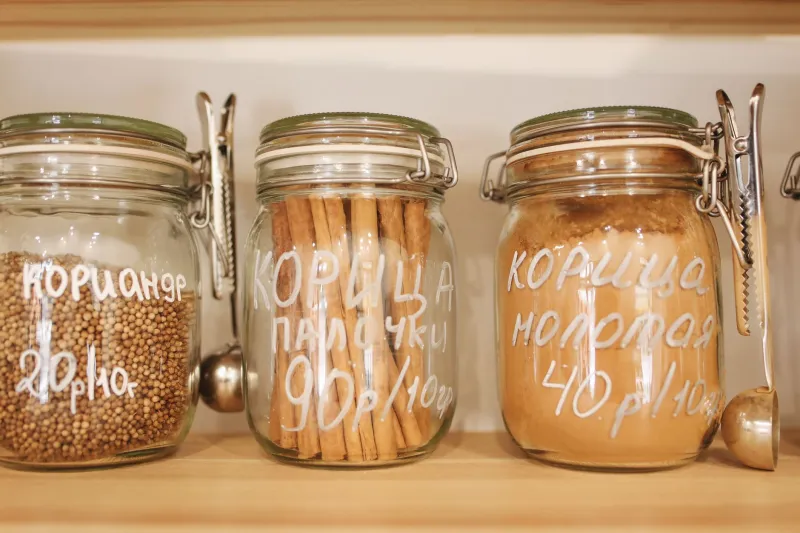
- Choose the right container — A mason jar with a tight lid works beautifully. So does a repurposed tin or a dedicated seed storage box from a discount retailer.
- Find a cool, dark spot — A drawer in a cool room, a basement shelf, or even the refrigerator (not the freezer, for most seeds) keeps temperatures stable.
Stored correctly, most heirloom vegetable seeds remain viable for three to six years. Some, like tomatoes and cucumbers, can last even longer.
How Your Collection Gains Value Over Time
This is the part most new gardeners don't see coming: a well-maintained heirloom seed collection genuinely appreciates.
After two or three seasons of saving seeds from the same varieties in your specific growing conditions, you'll notice real differences. Germination gets faster and more consistent. Plants seem to settle into your soil more comfortably. Yields improve. This isn't magic — it's natural selection quietly doing its job, nudging each generation toward better performance in your exact environment.
That localized adaptation also makes your seeds increasingly attractive to other gardeners in your area. What starts as a personal cost-cutting strategy can evolve into a trading currency that lets you access varieties you'd otherwise pay top dollar for.
Some dedicated seed savers eventually sell small quantities of their rarest or most locally-adapted varieties through platforms like Etsy or at farmers markets. We're not suggesting you turn your backyard into a seed business, but it's worth knowing that the collection you build has real-world value beyond your own garden fence.
Regional Variety Hunting: A Free Treasure Hunt
One of the most rewarding parts of building a seed library is actively seeking out varieties with deep ties to your region. Every corner of the US has its own gardening heritage, and a lot of it is sitting in someone's garage in a coffee can.
- If you're in the Southeast, look for Mortgage Lifter tomatoes or Rattlesnake pole beans
- Midwest gardeners might track down Aunt Mary's Rose tomato or Hidatsa Red beans
- Pacific Northwest growers often prize Stupice tomatoes and Walla Walla onions
- Southern California has a rich tradition of drought-adapted varieties worth hunting down
Local historical societies, agricultural extension offices, and university seed banks are all good starting points. Many will share seeds for free or at nominal cost in exchange for a grow-out report at the end of the season.
The Bottom Line
Every packet of heirloom seeds you save this fall is money you don't have to spend next spring. Every variety you collect from a swap is a future expense you've already eliminated. And every season your saved seeds spend in your specific soil, they're quietly becoming better performers — more adapted, more resilient, more valuable.
Building a personal seed library is one of the few garden investments that genuinely compounds over time. The upfront effort is minimal. The long-term payoff — in dollars saved, in yields improved, and in the quiet satisfaction of growing something nobody else on your block has ever even heard of — is hard to put a number on.
Start with three varieties this season. Your future self will thank you.