Treat Your Soil Like a Savings Account and Watch Your Garden Pay You Back
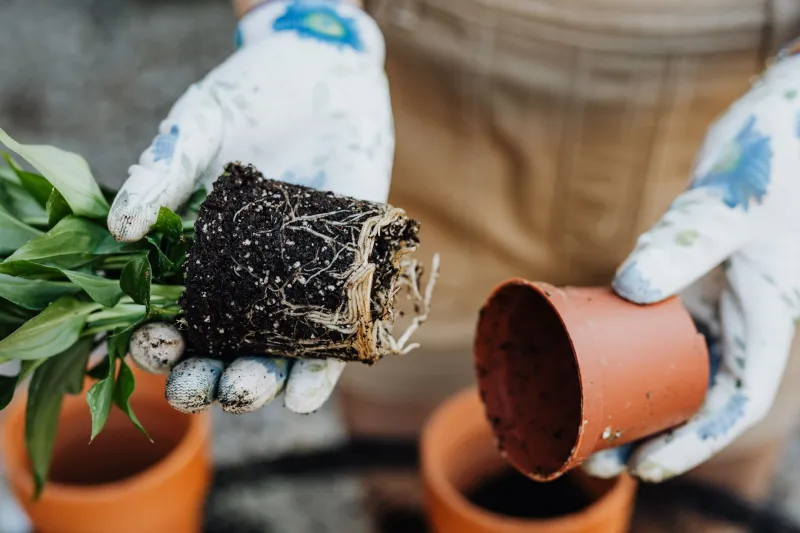
Here's something most new gardeners figure out the hard way: you can buy the fanciest transplants, the prettiest seed packets, and a whole cart full of fertilizers, and still walk away from the season with a mediocre harvest. The problem usually isn't what's growing. It's what's underneath.
Soil is the single most important factor in your garden's long-term performance — and it's also the most overlooked budget lever most home growers have. When you invest smartly in your soil now, you're essentially opening a compound interest account. The returns get bigger every single year, and the ongoing costs get smaller.
Let's break down how this actually works in real dollars.
Why Most Gardeners Lose Money on Cheap Soil Fixes
Walk into any big-box home improvement store in spring and you'll see the same thing: bags of cheap potting mix stacked to the rafters, synthetic fertilizer blends with flashy labels, and a whole lot of products designed to solve a problem for one season only.
That's the trap. Synthetic quick-fix products deliver a short burst of nutrients, but they do nothing to improve the actual structure or biology of your soil. You buy them again next year. And the year after that. It's a subscription you never signed up for.
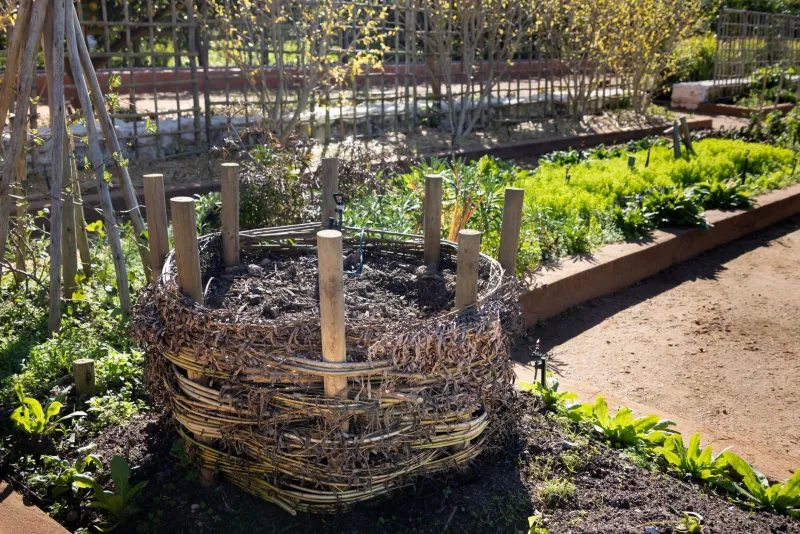
Organic matter and biological soil amendments, on the other hand, keep working long after you've applied them. Compost, aged manure, cover crops, and mineral amendments like greensand or gypsum build real, lasting soil health. You spend a bit more upfront, but the compounding effect means you spend dramatically less over a five-year horizon — while your yields climb.
Start With a Soil Test (It's Cheaper Than Guessing)
Before you spend a single dollar on amendments, do a soil test. Many US state cooperative extension offices offer basic soil testing for as little as $10 to $20. Private lab options like Logan Labs or the University of Massachusetts Extension lab are also affordable and ship nationwide.
A basic test tells you your soil's pH, organic matter percentage, and levels of key nutrients like nitrogen, phosphorus, potassium, calcium, and magnesium. Without this information, you're essentially guessing — and guessing gets expensive fast.
For example, if your soil is already high in phosphorus (common in gardens that have been fertilized for years), buying a high-phosphorus fertilizer blend is literally throwing money into the ground for no benefit. A $15 soil test can save you from making $50 or $100 in pointless purchases every single season.
The Year-by-Year Return on Investment
Let's walk through a realistic scenario for a 200-square-foot raised bed or in-ground garden plot.
Year One: You get your soil test done and learn your soil is low in organic matter, slightly acidic, and deficient in calcium. You spend roughly $40 to $60 on a bag of compost, some lime to raise the pH, and a small amount of gypsum for calcium. You till it in or layer it on top as a mulch. Your plants grow better than they did last year, but more importantly, you've started building something.
Year Two: Your soil biology is improving. Earthworms are more active. Water retention is better, which means you're watering less — cutting your water costs noticeably. You spend maybe $20 to $30 on a bag of compost as a top-dress. Your yields are meaningfully up from year one.
Year Three: If you've been composting your kitchen and yard scraps (even casually), you now have a free or nearly free amendment source. You might spend $10 to $15 on a targeted mineral amendment based on a follow-up soil test. Your soil is now noticeably darker, looser, and more productive. Pest and disease pressure has often decreased as well, since healthy soil grows more resilient plants.
Year Four and Beyond: At this point, many gardeners report spending very little on soil inputs at all. Your own compost handles most of the nutrition. A periodic soil test keeps you from over-applying anything. The garden essentially maintains itself at a high level of productivity.
Compare that to the gardener who buys a bag of synthetic granular fertilizer every spring and never addresses soil structure. They're spending $30 to $60 annually, year after year, with no compounding benefit. The soil-builder has front-loaded a modest investment and is now essentially gardening for next to nothing — while harvesting more.
The Organic Matter Rule of Thumb
Most US garden soils test below 3% organic matter. Thriving vegetable gardens ideally want to be in the 5% to 8% range. Every percentage point you add improves water retention, nutrient availability, and microbial activity.
The good news: you don't have to get there in one season. Adding two to three inches of compost per year, combined with mulching and occasional cover cropping in the off-season, will get almost any garden into that sweet spot within two to four years. The even better news is that you can source a lot of this material for free or nearly free — from your own kitchen scraps, fallen leaves, grass clippings, and neighbors who don't compost their yard waste.
Cover Crops: The Budget Gardener's Secret Weapon
If you're not planting cover crops in your off-season beds, you're leaving free fertility on the table. Winter rye, crimson clover, and buckwheat are all inexpensive, widely available, and do remarkable things for soil health between growing seasons.
Legume cover crops like clover and field peas fix atmospheric nitrogen directly into your soil, reducing how much fertilizer you'll need come spring. Deep-rooted covers like daikon radish break up compacted layers, improving drainage and aeration. A $5 to $10 packet of cover crop seed can deliver $20 to $30 worth of soil improvement — and you'll likely have seed left over for next year.
What to Actually Buy (And What to Skip)
Not all soil amendments are worth your money. Here's a quick cheat sheet for budget-conscious soil builders:
Worth it: Compost (or make your own), agricultural lime or sulfur to adjust pH, kelp meal for trace minerals, cover crop seeds, aged manure if you can source it locally or free.
Skip it: Most synthetic quick-release fertilizers for long-term soil building, cheap potting mixes with little actual organic matter, anything marketed as a miracle soil activator with vague ingredient lists.
The Long Game Wins Every Time
Gardening on a budget isn't about buying the cheapest thing available right now. It's about making decisions that cost you less — and deliver more — over a five- or ten-year window. Soil building is the clearest example of that principle in action.
Spend a little now, test smart, add organic matter consistently, and let biology do the compounding work. By year three or four, you'll be spending a fraction of what you used to while harvesting more than you ever thought possible from your backyard plot.
That's not just good gardening. That's genuinely good financial sense.