One Plant, Endless Garden: The Beginner's Guide to Propagating Your Way to Free Plants
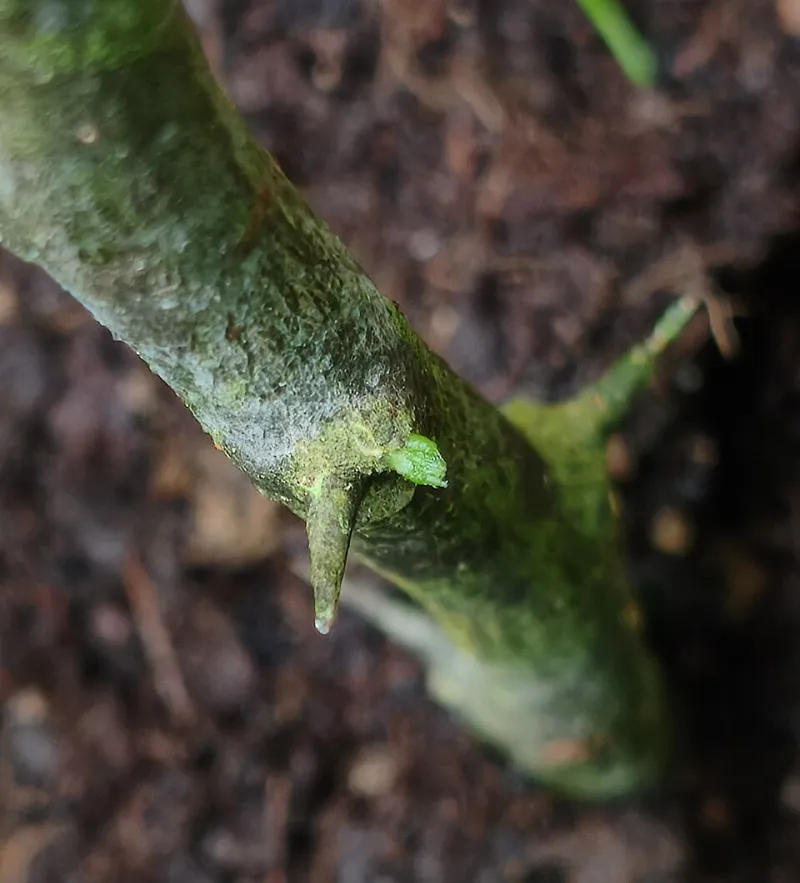
Photo: Dr. Chinchu C., CC BY-SA 3.0, via Wikimedia Commons
The Best Plants Are the Ones You Already Have
Walk through any garden center in spring, and it's easy to drop $50, $80, even $100 before you realize what happened. Those little plastic pots add up fast. But here's a secret that experienced gardeners know well: most of those plants sitting on the shelves aren't doing anything your existing garden plants can't do themselves — with a little help from you.
Propagation is the art of creating new plants from parts of existing ones. It sounds technical, but most methods are genuinely simple once you try them. And the payoff is enormous. A single established rosemary bush can give you a dozen new plants. One clump of hostas can become five or six. A tomato plant with a wayward side shoot can become a whole second tomato plant — for free.
Once you start thinking about your garden this way, you'll never look at a plant the same again.
Why This Skill Compounds Over Time
Here's what makes propagation different from most money-saving tactics: the savings grow every single year. Buy a packet of seeds once, and you save a few bucks. Learn to propagate, and you're essentially printing plants on demand, indefinitely.
Let's say you buy one lavender plant for $6 this spring. You take cuttings in early summer, root six new plants, and plant them out. Next year, those six plants each give you six more cuttings. You're now looking at 36 lavender plants for the price of one — plus a little time and some basic supplies.
Applied across your whole garden, that kind of multiplication changes the math of gardening entirely. It's also a fantastic way to share plants with neighbors, trade with local gardening groups, or even sell starts at a community market.
Method 1: Stem Cuttings — The Fastest Way to Clone Your Favorites
Stem cutting is probably the most versatile propagation method and works on an enormous range of plants: herbs, perennials, shrubs, houseplants, and even some vegetables.
How it works: You snip a healthy stem from a parent plant, remove the lower leaves, and encourage it to grow roots, either in water or directly in a rooting medium.
Best timing: Late spring through midsummer for most plants. You want growth that's not too young (soft new growth rots easily) and not too old (woody stems root slowly). The sweet spot is what growers call "semi-hardwood" — stems that have firmed up a bit but aren't fully woody yet.
Easy plants to start with: Rosemary, basil, mint, coleus, hydrangeas, pothos, impatiens, geraniums, and salvias all root readily from cuttings.
Basic steps:
- Cut a 4–6 inch stem just below a leaf node (the bump where a leaf meets the stem).
- Strip the lower half of all leaves.
- Dip the cut end in rooting hormone powder (about $5 at any garden center — one jar lasts for years).
- Stick the cutting 2 inches deep into a small pot of moistened perlite or seed-starting mix.
- Cover loosely with a plastic bag or dome to hold humidity.
- Keep in bright indirect light and check moisture every couple of days.
- Most cuttings root within 2–4 weeks. Tug gently — if there's resistance, roots have formed.
Water rooting shortcut: For plants like basil, pothos, or coleus, you can skip the soil and just place cuttings in a glass of water on a sunny windowsill. Change the water every few days and pot up once roots are an inch or two long.
Method 2: Division — The Spring and Fall Ritual That Multiplies Perennials
If you grow any kind of clumping perennial — hostas, daylilies, ornamental grasses, coneflowers, black-eyed Susans, yarrow — division is your best friend. Every few years, these plants form larger and larger clumps. Dividing them doesn't hurt the plant; in fact, it often rejuvenates it.
Best timing: Early spring (just as new growth emerges) or early fall (at least 4–6 weeks before your first frost). Spring division gives plants a full season to establish; fall division works well in most of the country except the coldest zones.
How to do it:
- Dig up the entire clump with a garden fork, working around the outside edge so you don't slice roots unnecessarily.
- Use a sharp spade, garden knife, or even two garden forks back-to-back to split the clump into sections. Each section needs healthy roots and at least a few growth points (crowns or shoots).
- Replant divisions immediately at the same depth as the original plant.
- Water well and keep consistently moist for the first two weeks.
A single mature hosta clump can yield 4–8 divisions. At $8–$15 per hosta at a garden center, that's $32–$120 worth of plants from one dig.
Method 3: Layering — The Lazy Person's Propagation Trick
Layering is almost absurdly easy, and it's perfect for shrubs and vines that can be difficult to root from cuttings. The idea is simple: you encourage a stem to root while it's still attached to the parent plant, then sever it once it's established.
Best candidates: Forsythia, azaleas, rhododendrons, climbing roses, wisteria, blackberries, and raspberries.
Best timing: Spring through early summer.
Simple ground layering steps:
- Select a flexible stem that can be bent to the ground without snapping.
- About 12 inches from the tip, wound the stem slightly by scraping a small section of bark or making a shallow cut. Dust with rooting hormone if you have it.
- Bury that wounded section 3–4 inches underground, using a U-shaped stake or a rock to hold it in place, while leaving the tip exposed above ground.
- Keep the buried section moist.
- After 6–10 weeks, tug gently on the tip. If it resists, roots have formed. Sever the stem from the parent plant and pot up or transplant the new plant.
Method 4: Saving Seeds — The Slowest but Deepest Savings
Seed saving takes more patience than the other methods, but it's incredibly rewarding and essentially free once you have the parent plants. Open-pollinated and heirloom vegetables and flowers are the ones to focus on — hybrid seeds don't reliably reproduce true to the parent.
Good beginner seed-saving plants: Tomatoes, peppers, beans, peas, zucchini, basil, marigolds, and zinnias.
Basic process: Let a few fruits or flowers go fully to seed on the plant. Collect seeds when fully dry, clean off any pulp or chaff, and store in labeled paper envelopes in a cool, dry place through winter. Most vegetable seeds stay viable for 2–4 years when stored properly.
This one habit alone can eliminate most of your annual seed-buying costs once you've built up a collection.
A Season-by-Season Propagation Calendar
- Early Spring: Divide perennials as they emerge. Start seeds indoors for warm-season crops.
- Late Spring: Begin stem cuttings from herbs and tender perennials. Start layering shrubs.
- Summer: Take cuttings from hydrangeas, salvias, and other semi-hardwood plants. Collect seeds from early bloomers.
- Early Fall: Divide hostas, daylilies, and ornamental grasses. Save seeds from vegetables before first frost.
- Winter: Clean, label, and store seeds. Research which plants you want to propagate in the coming year.
Start Small, Scale Up
You don't need a greenhouse or expensive equipment to propagate successfully. A sunny windowsill, a bag of perlite, some plastic bags for humidity, and a $5 jar of rooting hormone will cover most of what you need to start. The rest is just practice — and each successful cutting or division you pot up is money you didn't have to spend at the garden center.
Once propagation becomes a habit, your garden starts growing itself. And that's when the real savings kick in.